LILIBETS Collection
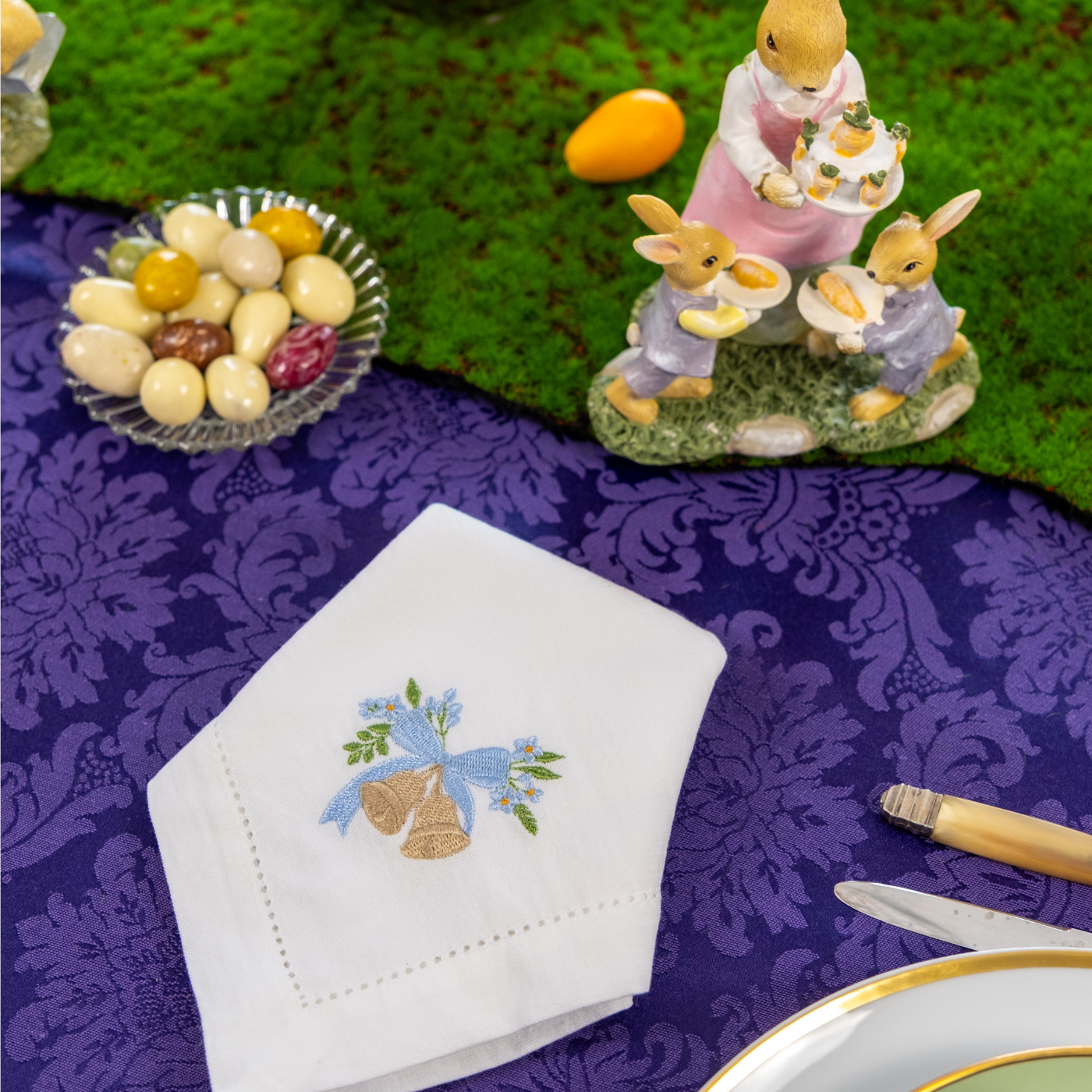
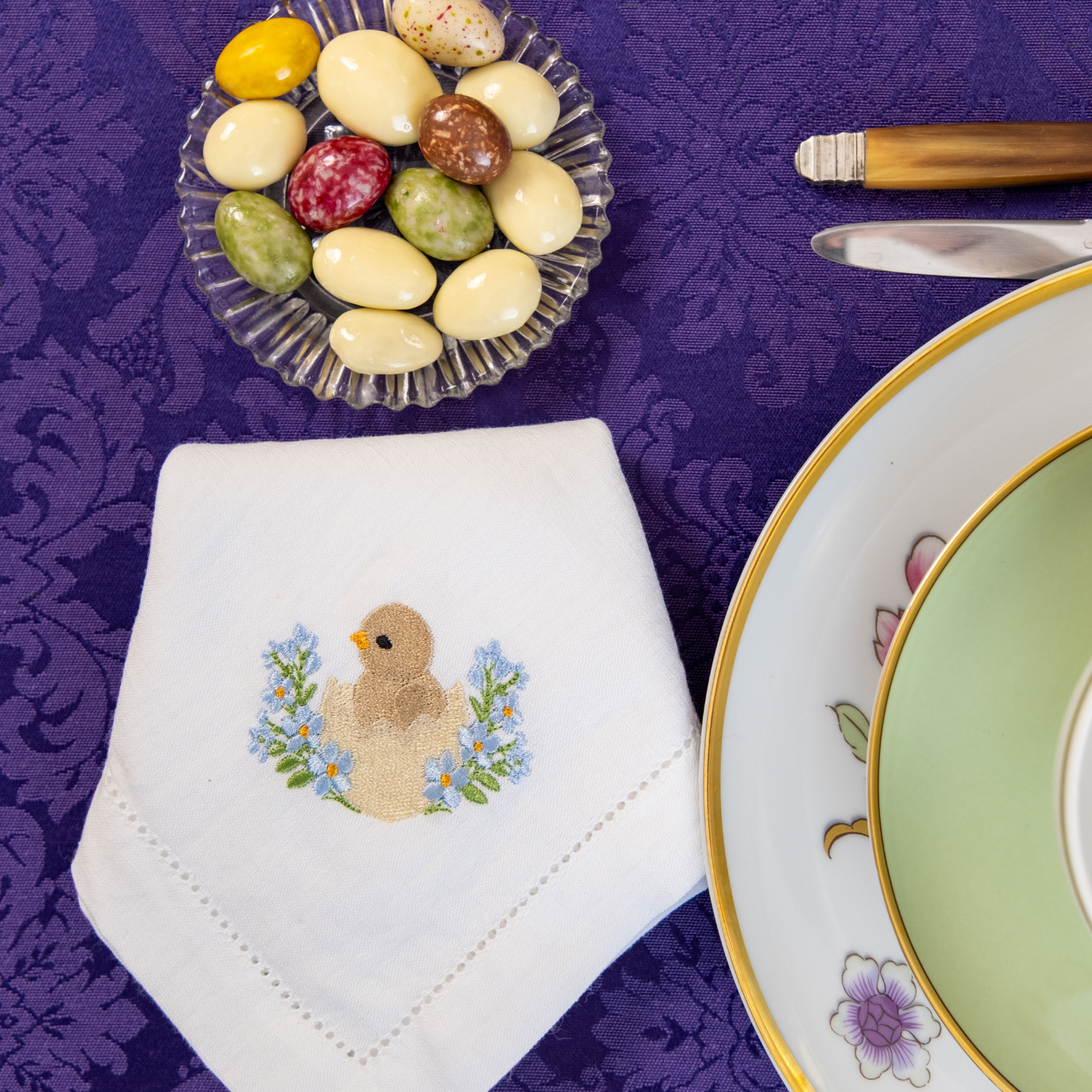
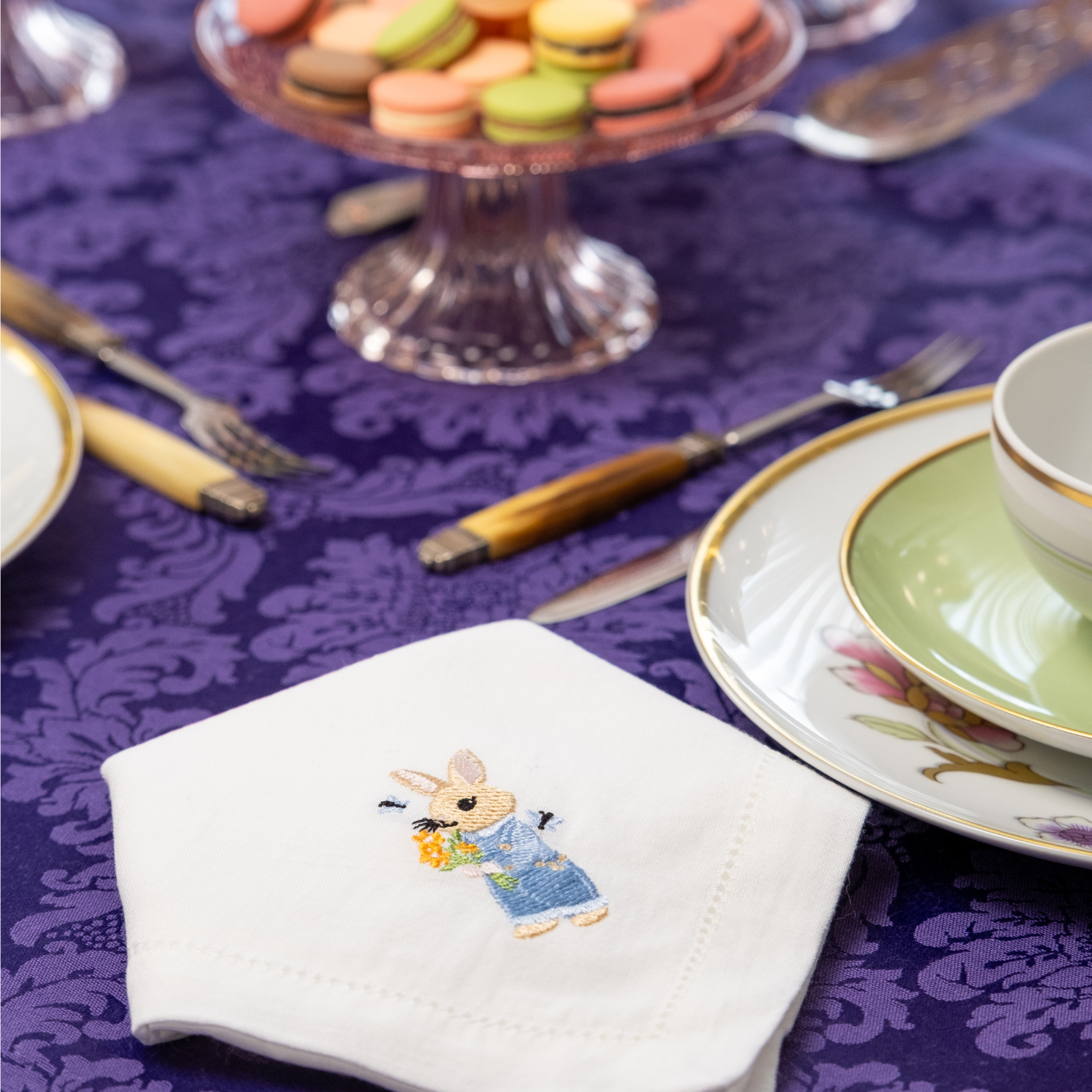
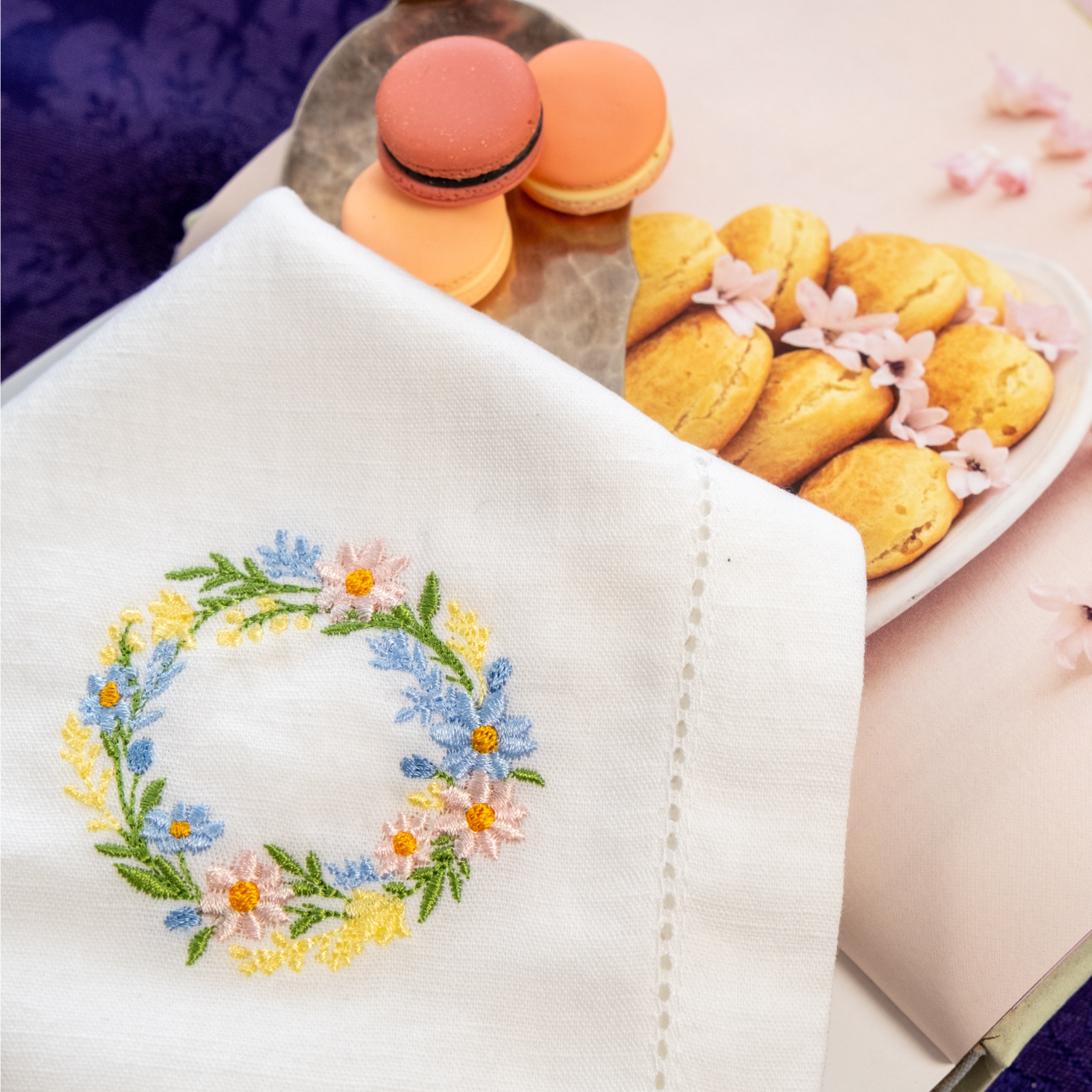
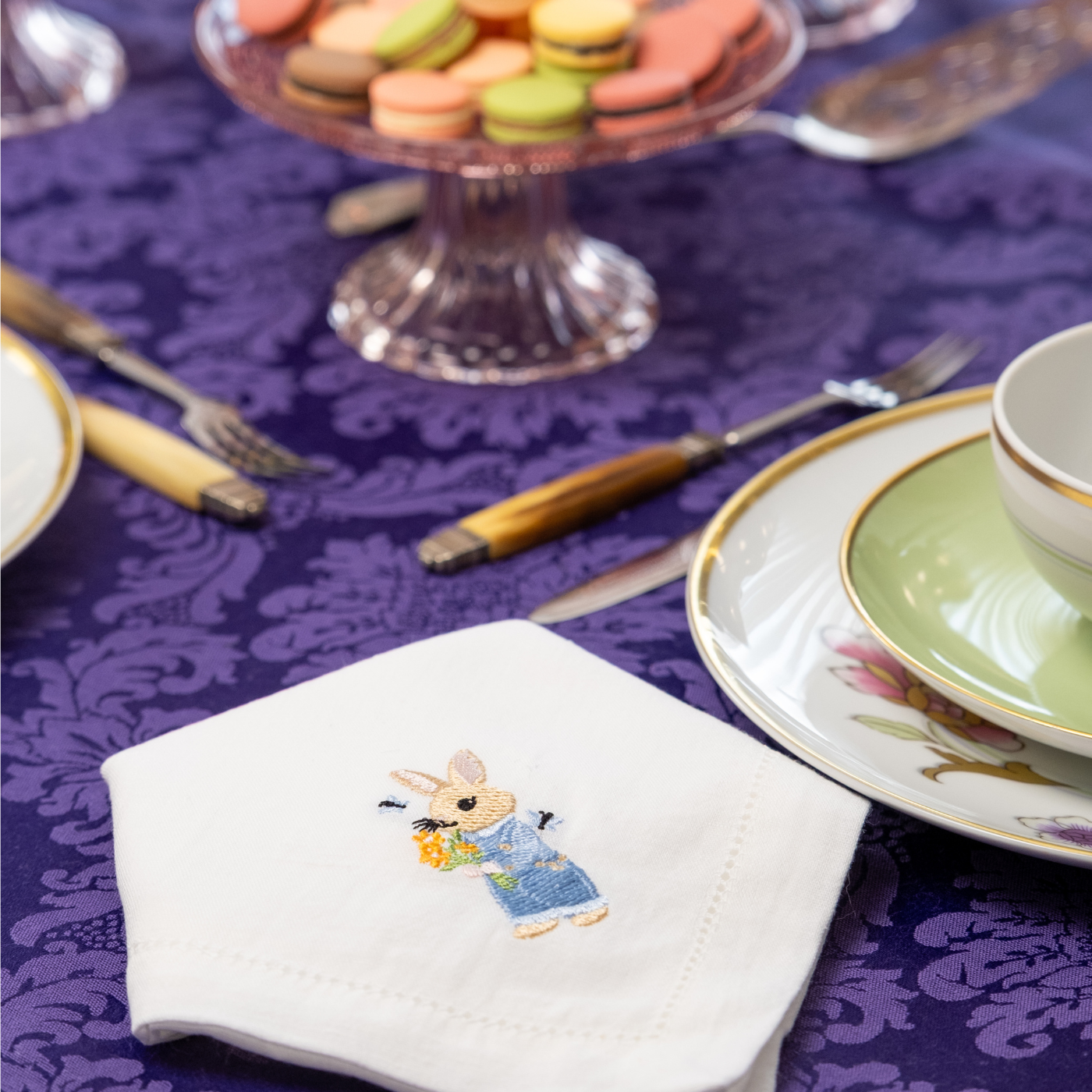
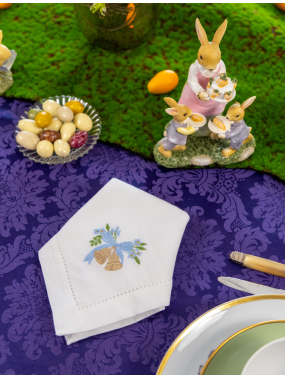
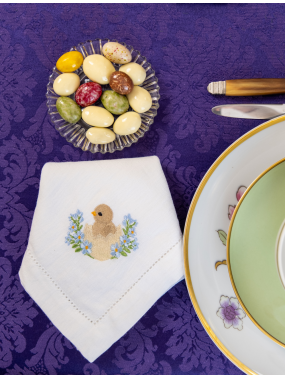
Benedita Chaboceau, mother of Carolina and Margarida, transformed the house into a workshop of memories at Easter. In each folded napkin she hid a promise: of family, of rebirth, and of love. Carolina read the folds as one reads a secret; Margarida smiled at the sound of clinking glasses. And so the LILIBETS collection came to life: not merely napkins, but small rituals of life, ready to refresh the table each Easter.
TWIN HEARTS Collection
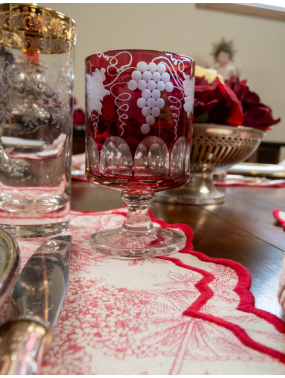
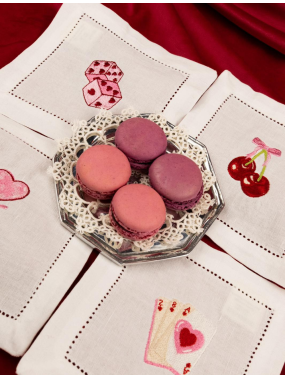
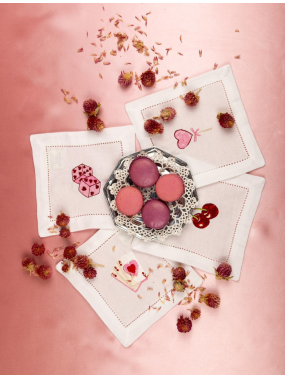
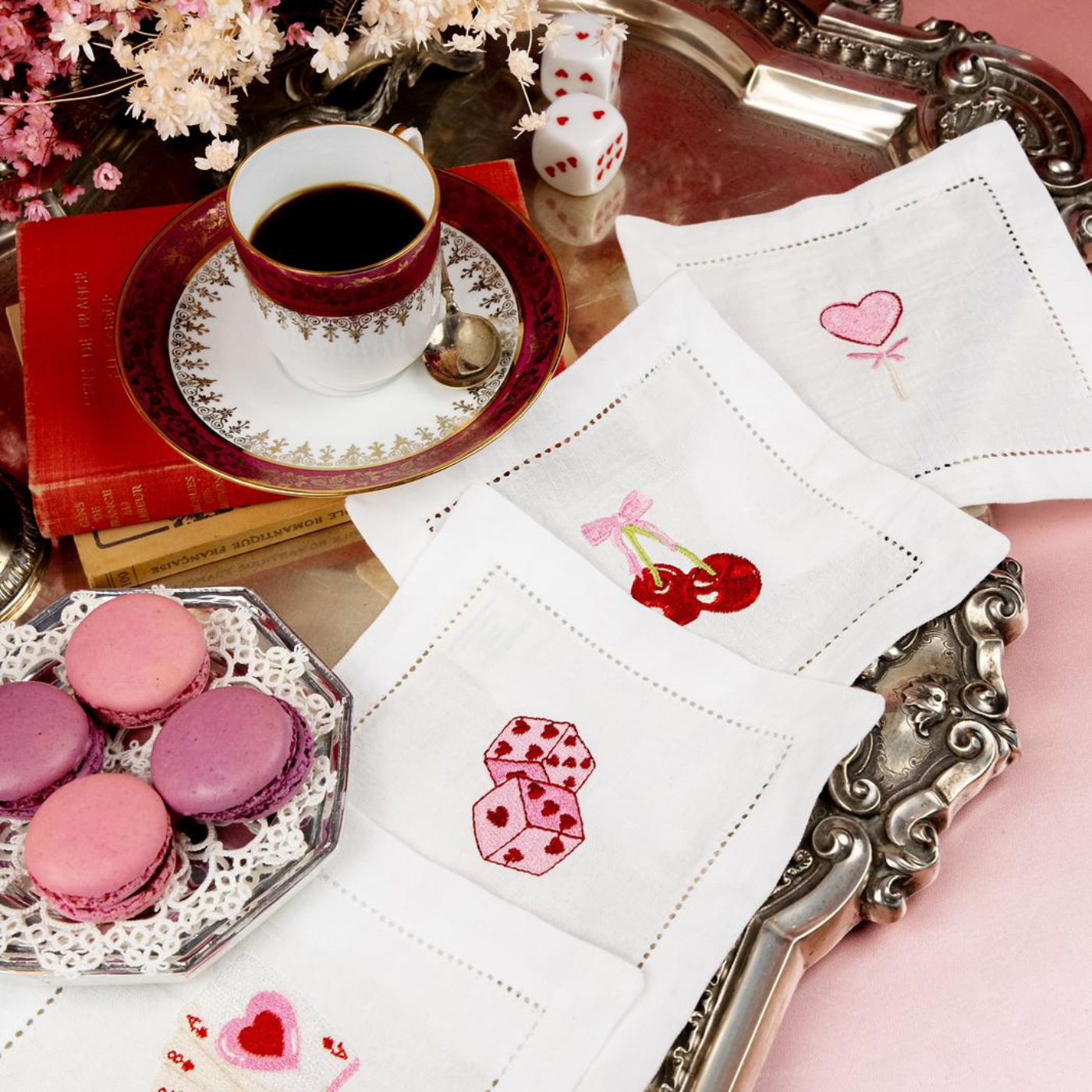
In the late eighteenth century, in London, Joseph Chaboceau, French, and Mary Ann Skegg, English, met in a gallery where art spoke of love and destiny. He was a marchand d’art; she read people and fabrics with eyes that see stories. Their passion grew amid whispered confidences, riverside strolls, and lit fireplaces. They faced society’s pressures, yet chose to walk side by side, merging tradition with audacity in a testament to affection, curiosity, and mutual respect. Twin Hearts celebrates two hearts that, despite cultural divides, beat as one: an invitation to imagine that love can transform the world.
BABY SHOWER Collection
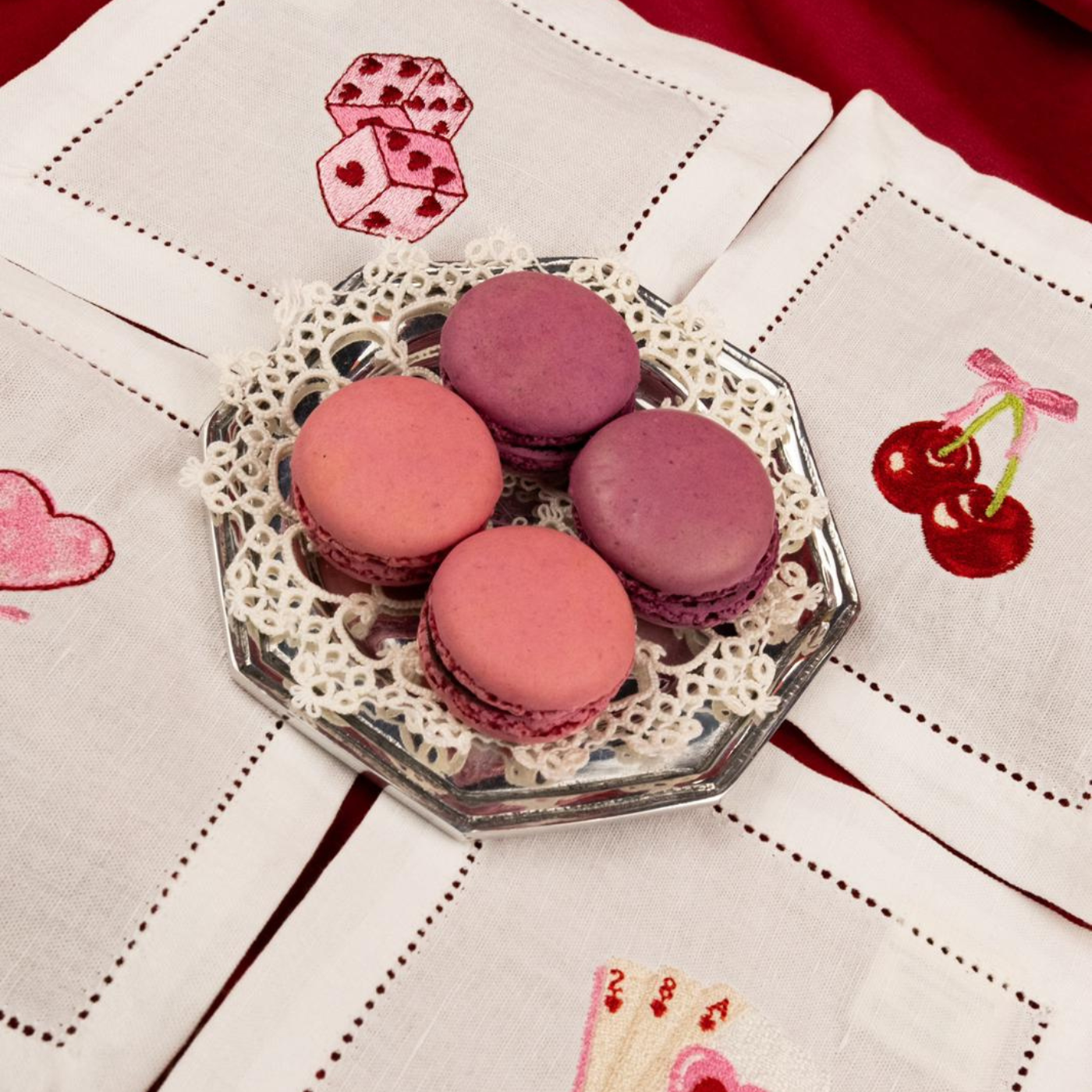
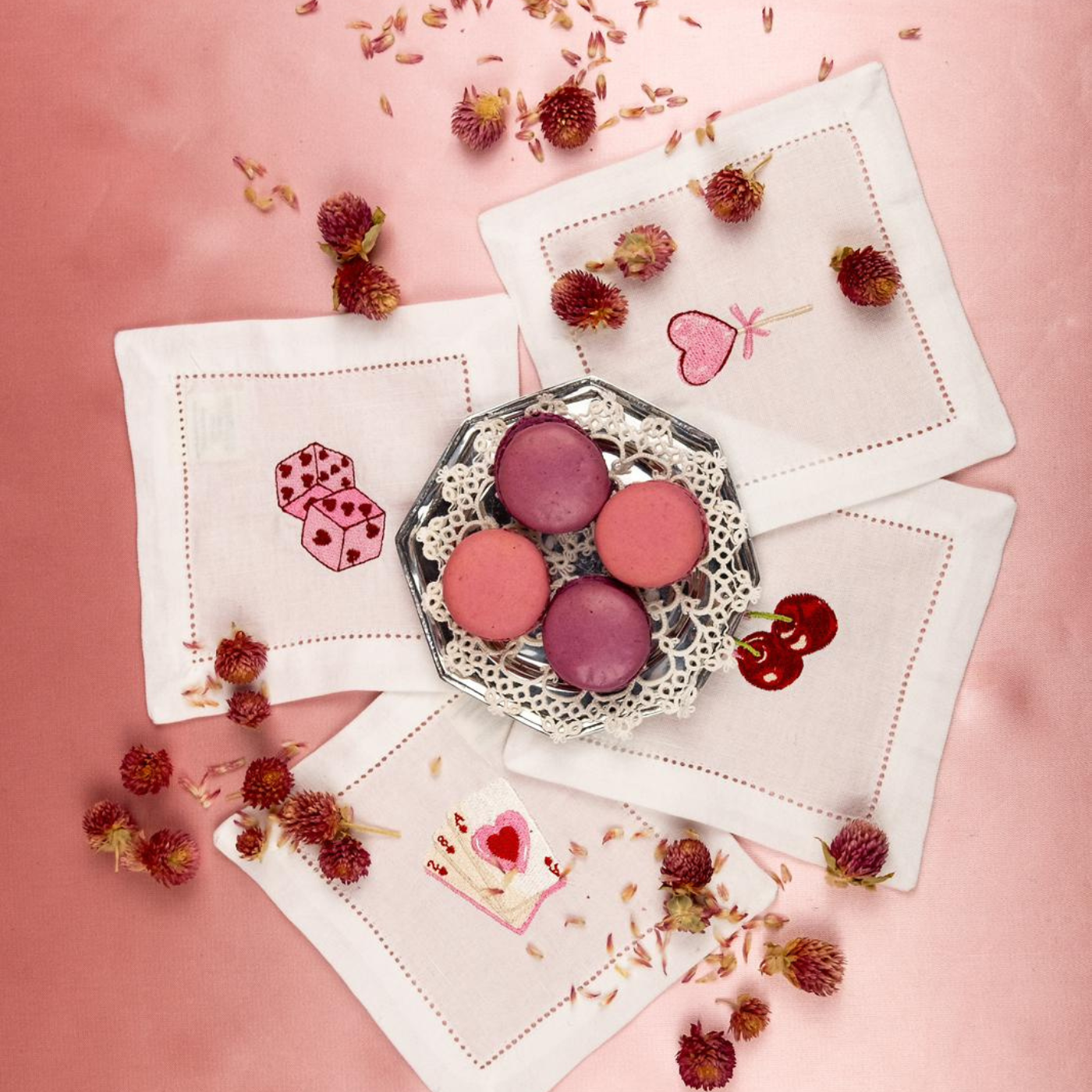
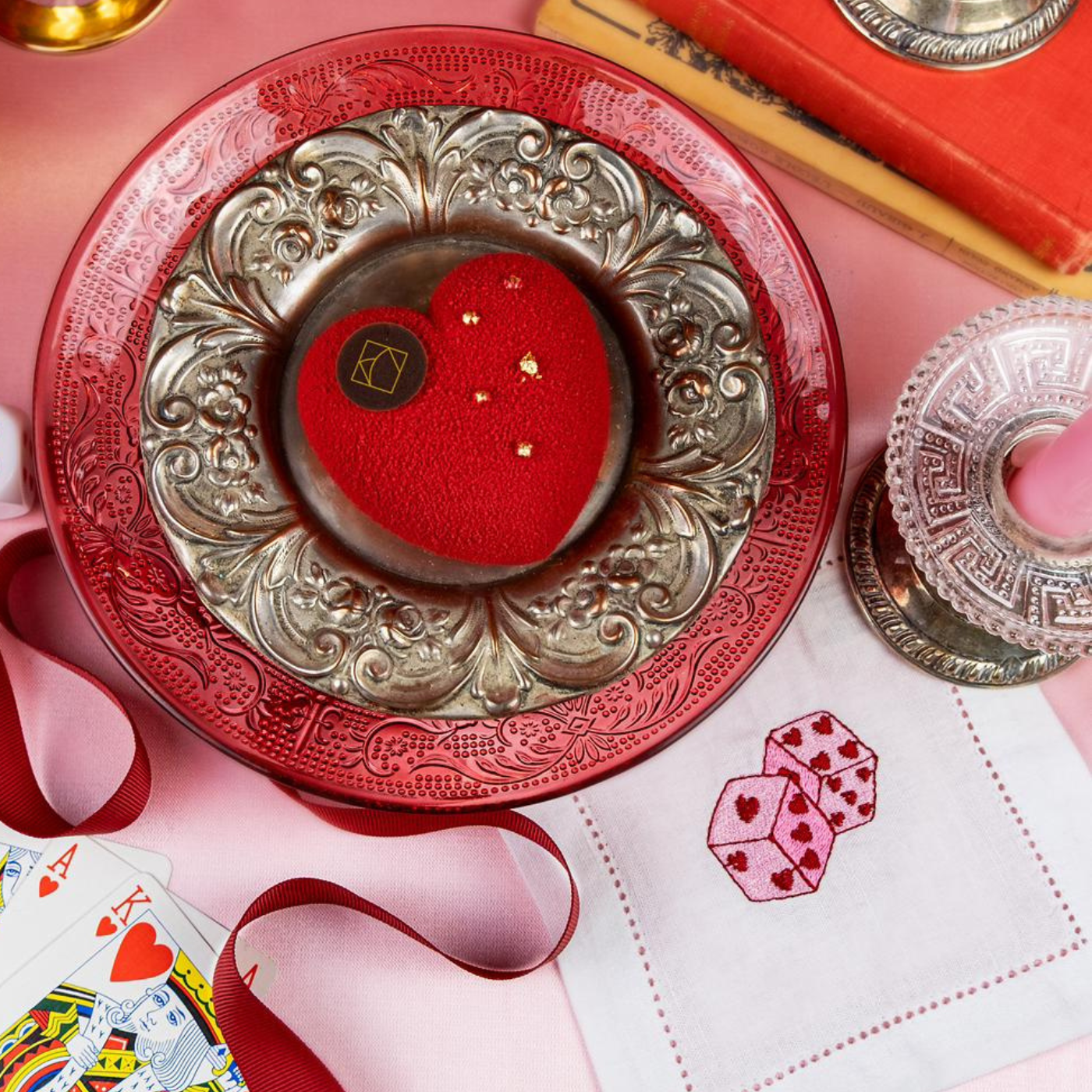
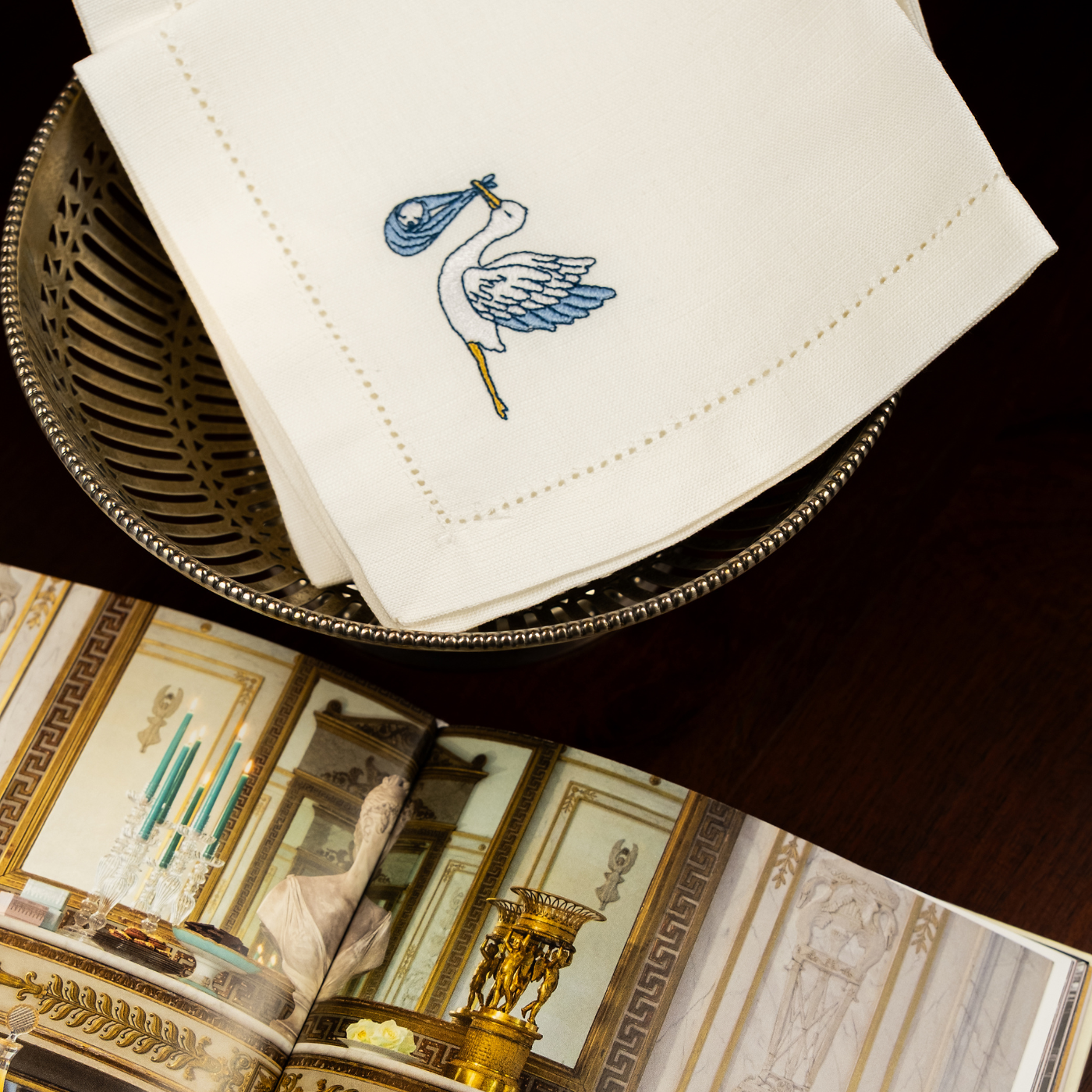
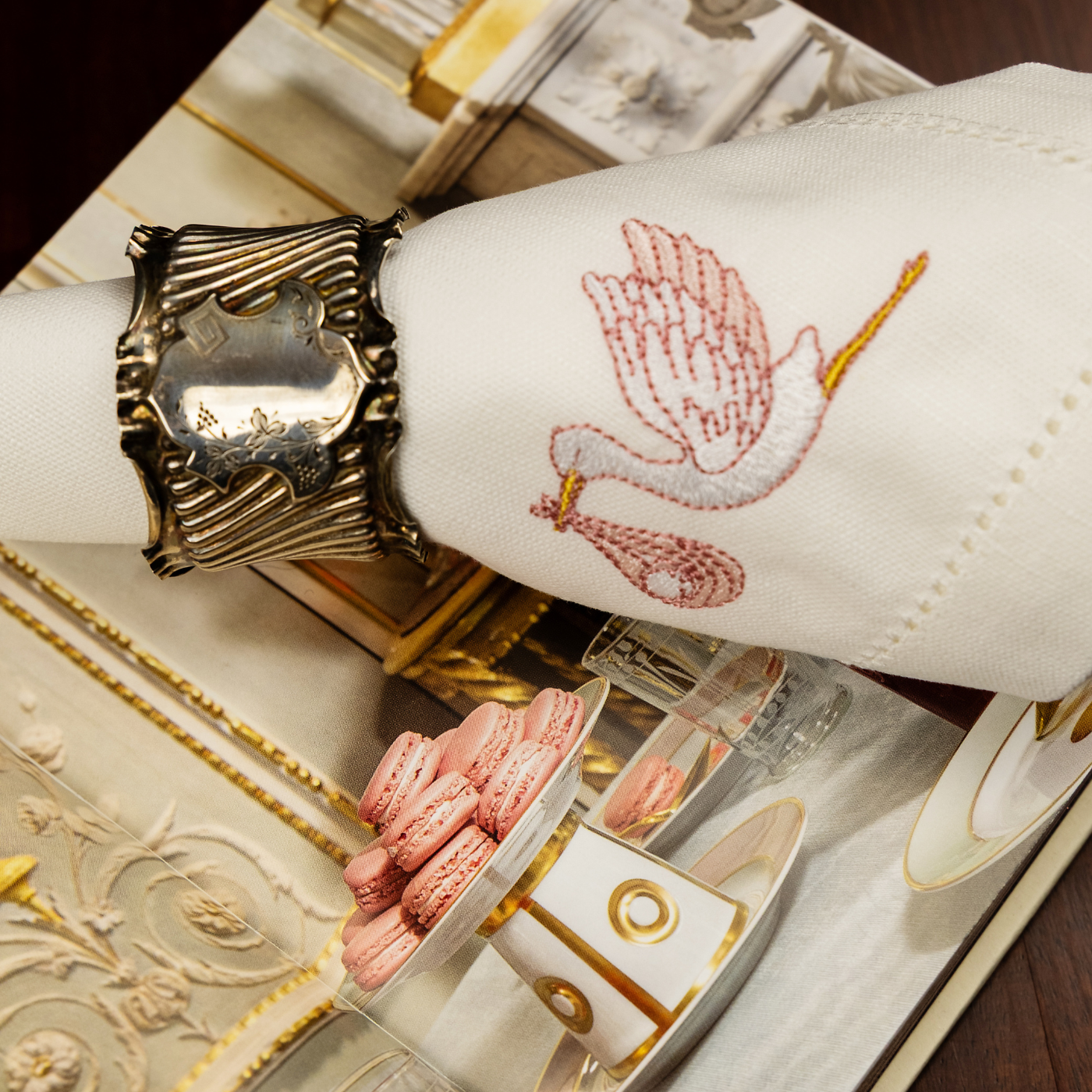
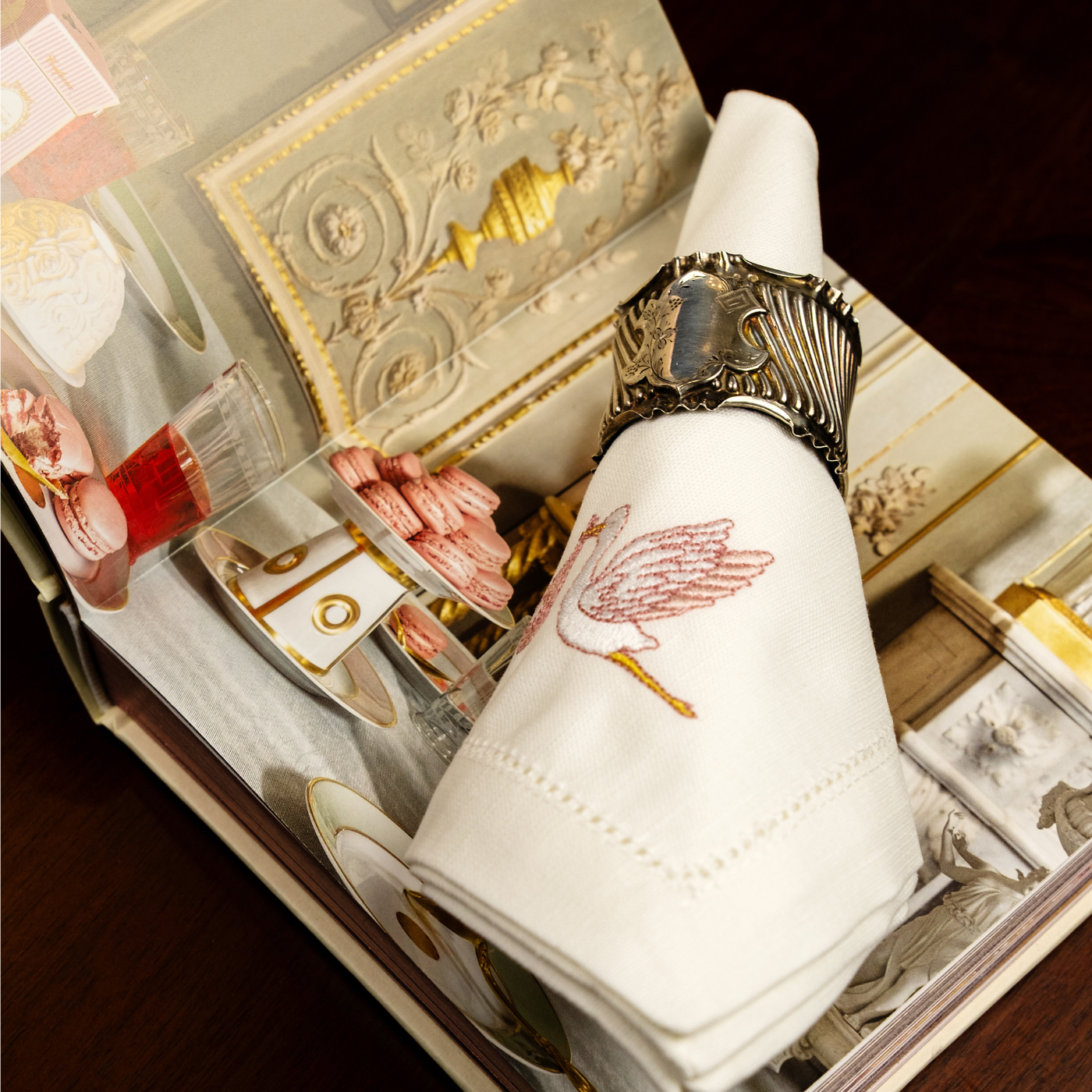
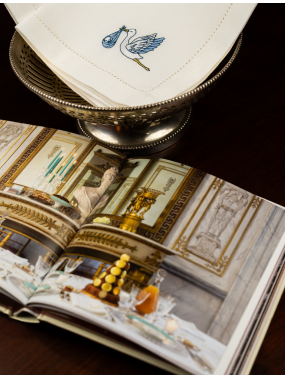
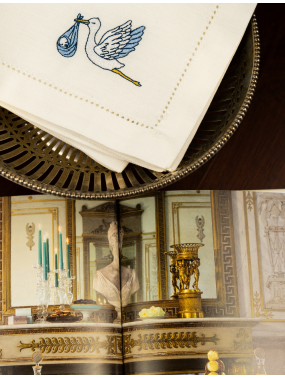
The expression “Baby Shower” originated in English tradition, with the term “shower” evoking a shower of gifts for the expectant mother; it gained prominence in the United States and other English-speaking countries during the 1940s and 1950s, in the post-war era. The custom was adopted in Portugal and Brazil in the 1980s and 1990s, being known in Brazil as “Chá do Bebê” or “Chá de Fraldas”. On this occasion, giving a tea napkin featuring a stork embroidered to indicate the baby’s sex evokes a classic birth symbol, making a beautiful keepsake of the early stages of life.
Explore collection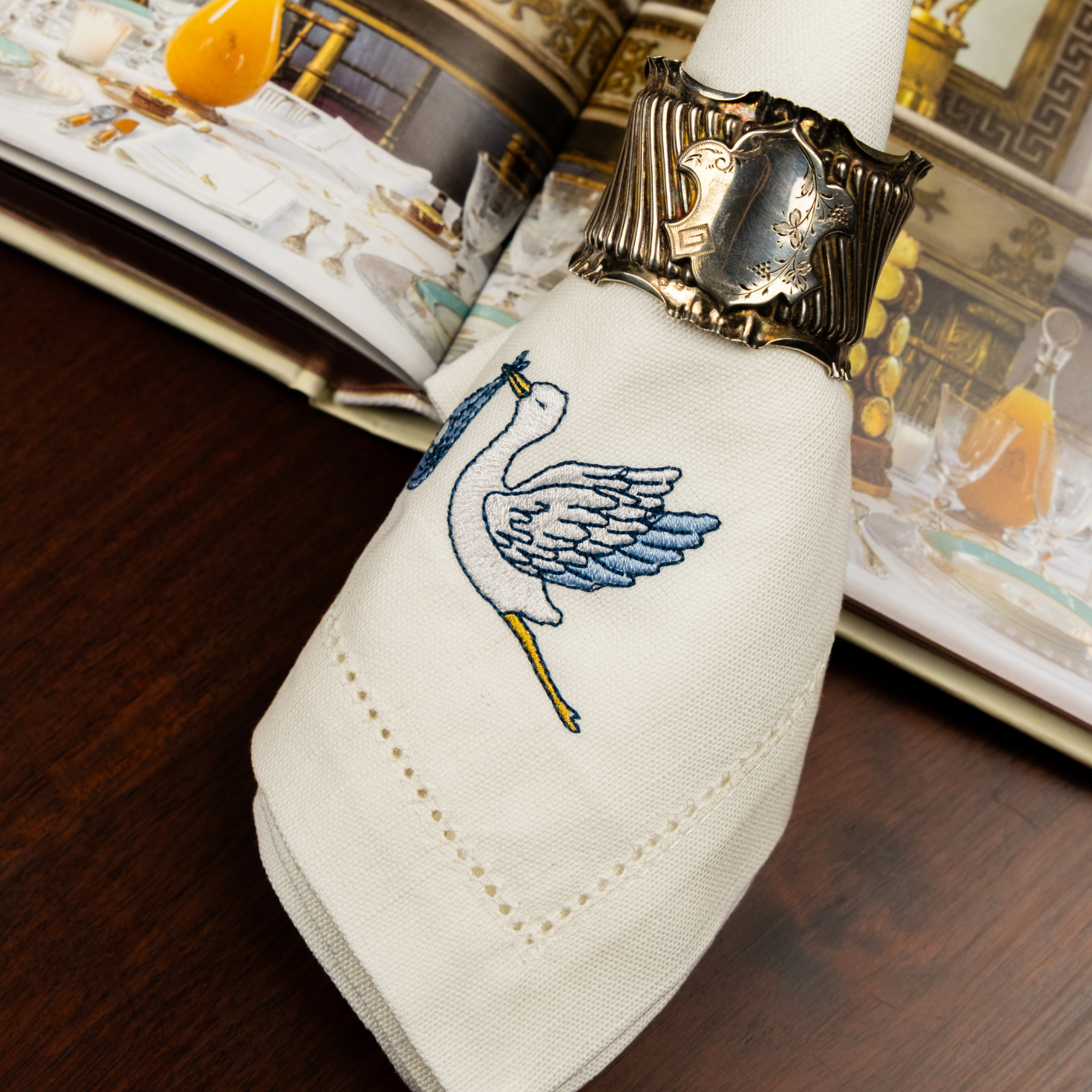
BABY SHOWER Collection
BABY SHOWER Collection
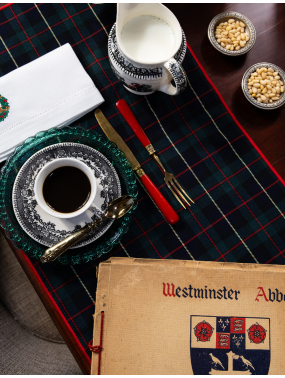
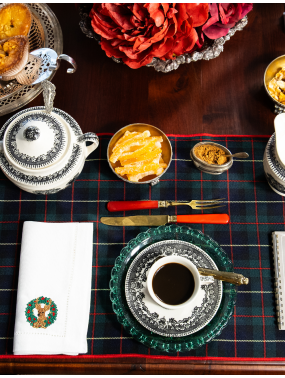
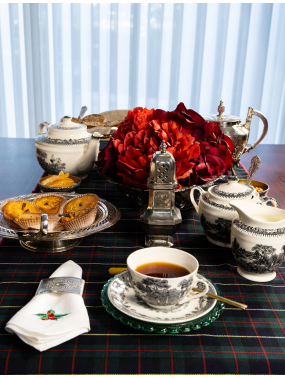
Westminster Collection
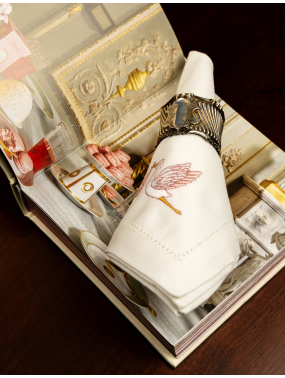
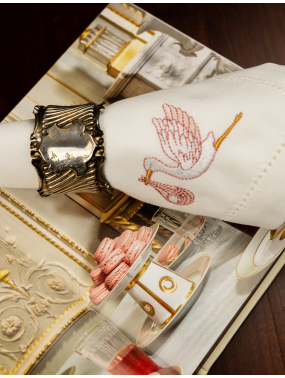
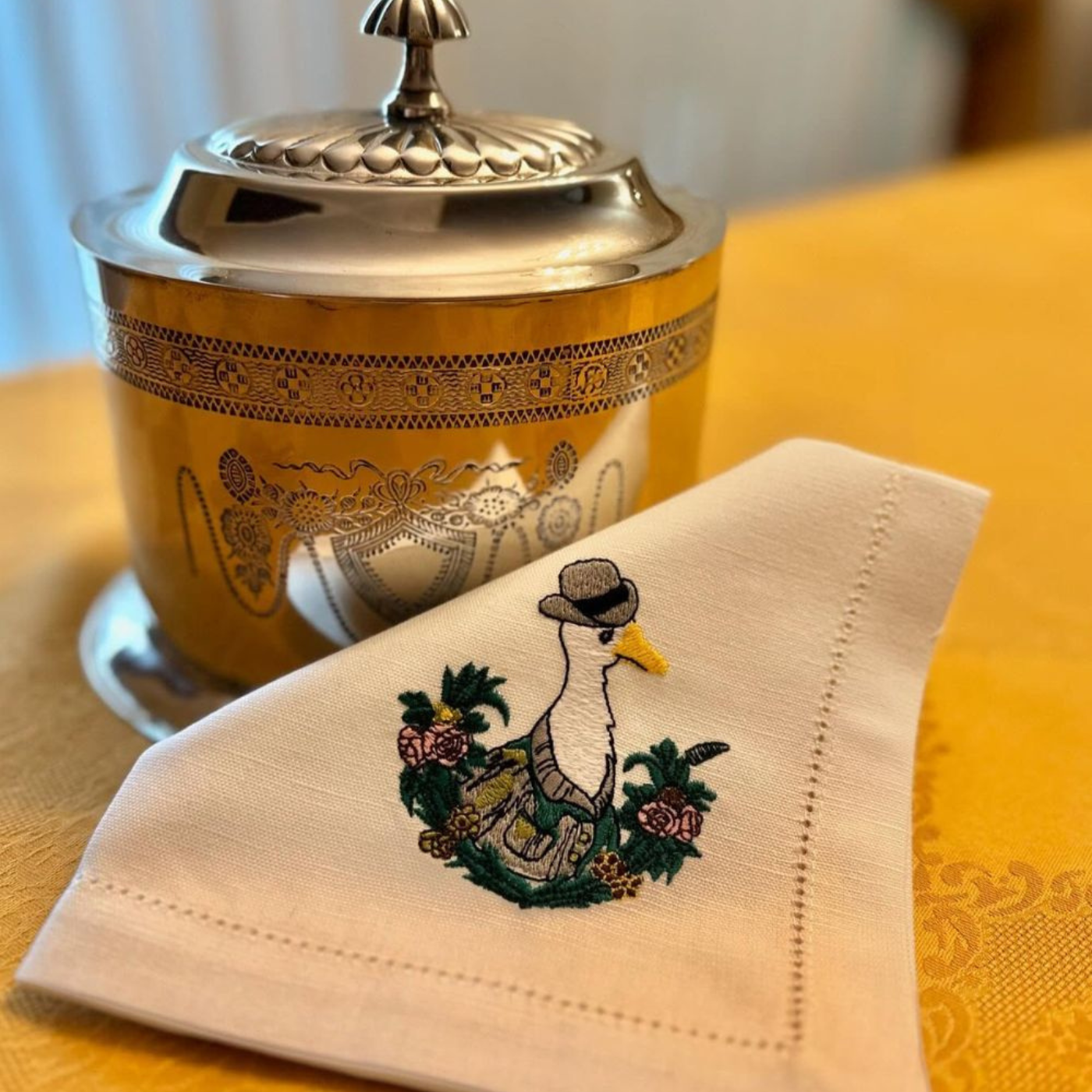
In the splendor of Westminster Abbey, in London, the echo of the bells resounded as a herald of happiness. It was a day of gathering, 19 July 1795, when Joseph Chaboceau de la Sauzaie married Mary Skegg. This was not only the beginning of a new life, but also the milestone of a tradition that spanned generations, materialising in a collection of napkins that would become famous: the Westminster collection. Mary Skegg infused the fabrics with her passion for beauty, transforming them into true works of art that adorned the tables of English aristocracy of that era. The Westminster collection is not merely a set of napkins; it is the testament to the union of two personalities beneath the Gothic arches of the Abbey. Joseph was heir to a lineage that extended to the far reaches of France, with ancestors who had played important roles in history. His connection with Mary Skegg, a young woman from London high society, symbolised the fusion of cultures and origins that would enrich his family’s story. As the years passed, the Westminster napkins became a symbol of elegance. They were used at refined dinners, where intellectuals and artists gathered to discuss ideas and dreams, while the embroidered napkins bore witness to every laughter and conversation.
Explore Collection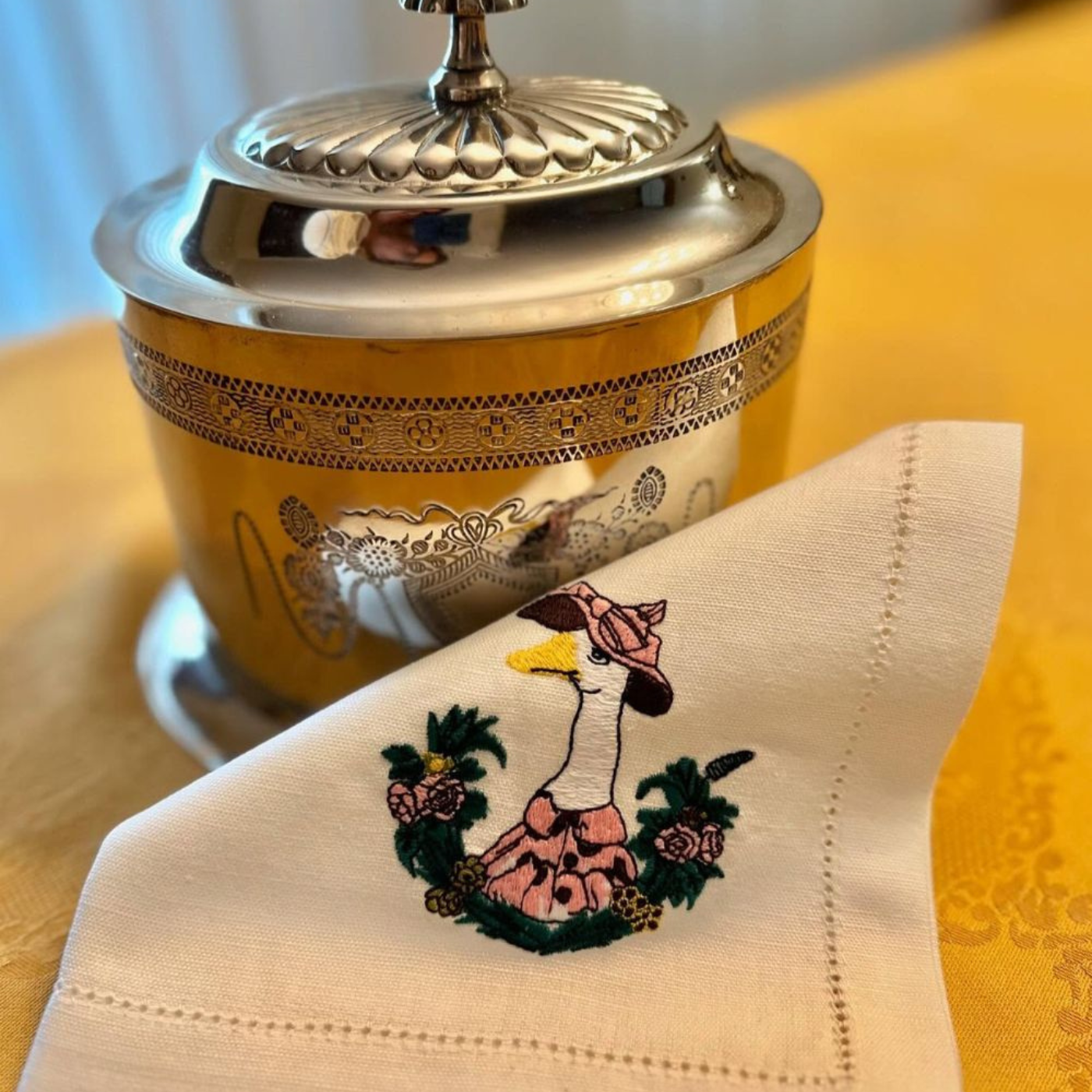
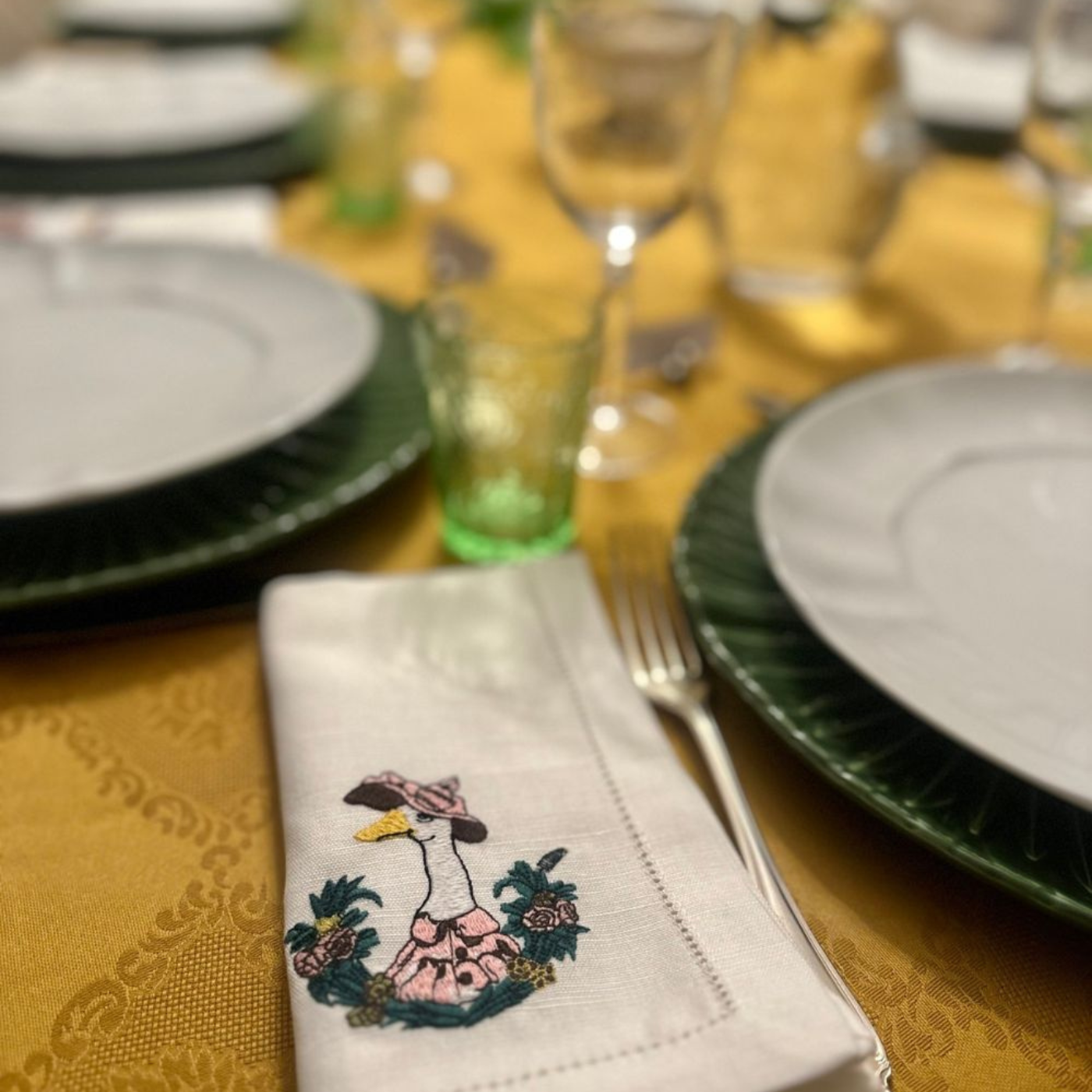
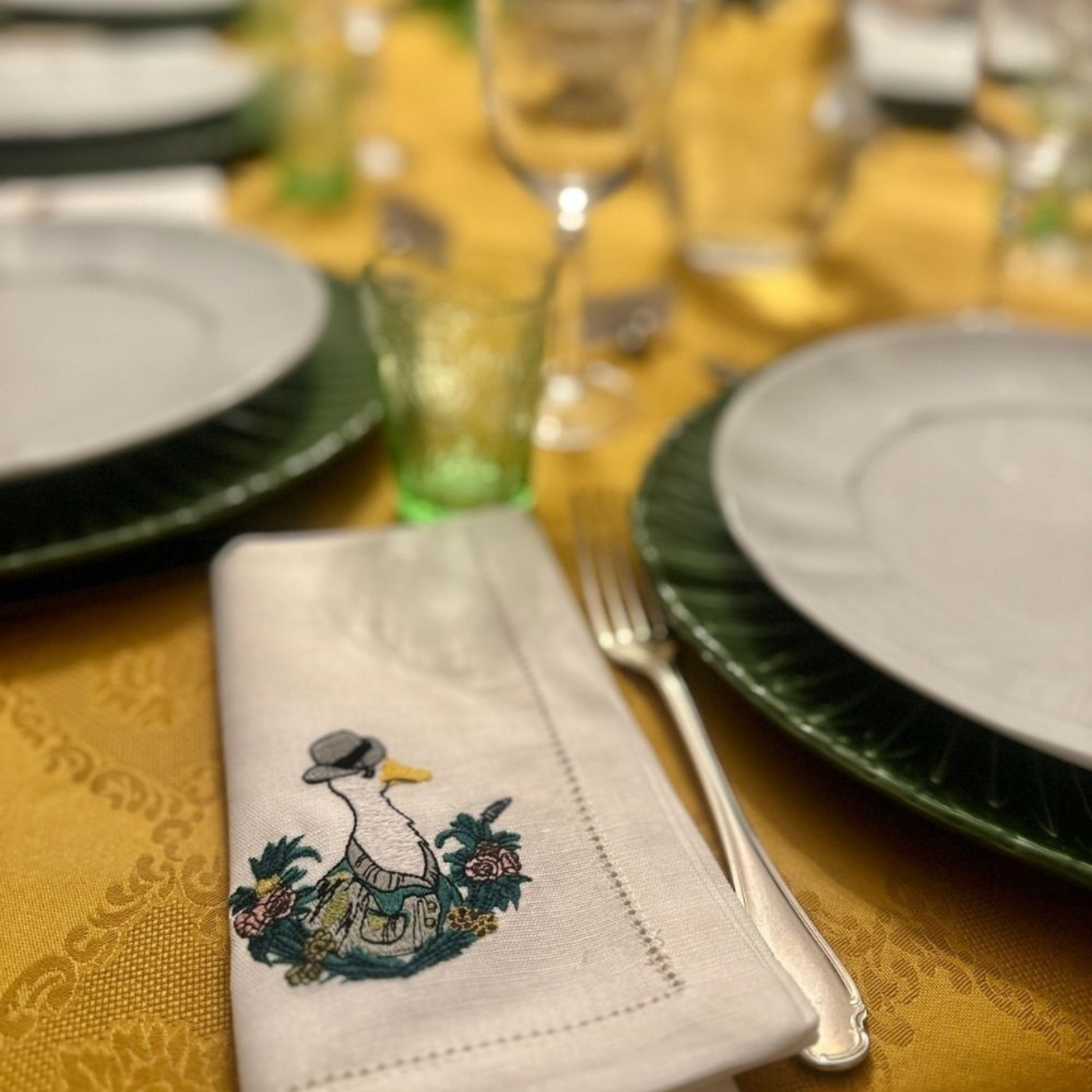
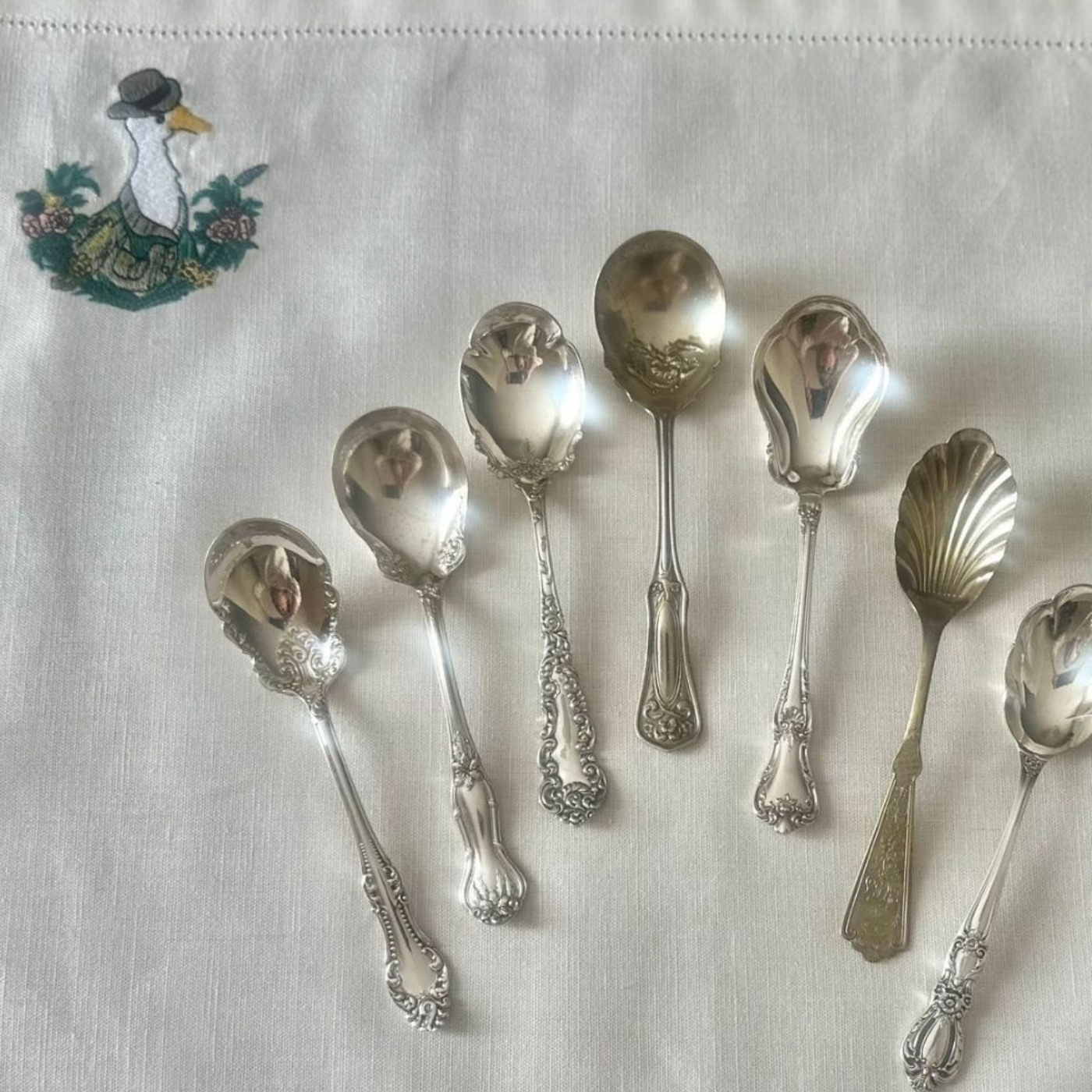
Westminster Collection
Westminster Collection
HOLLY BRANCHES Collection
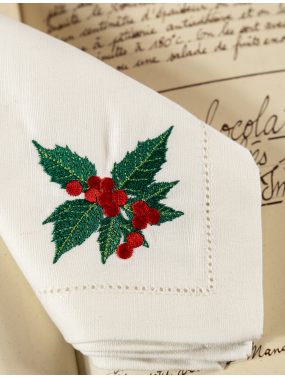
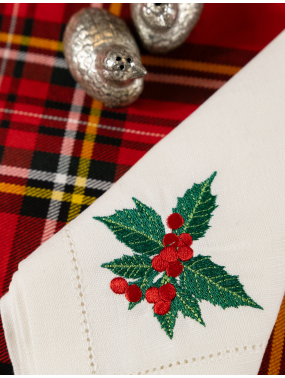
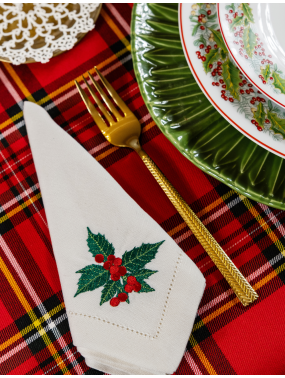
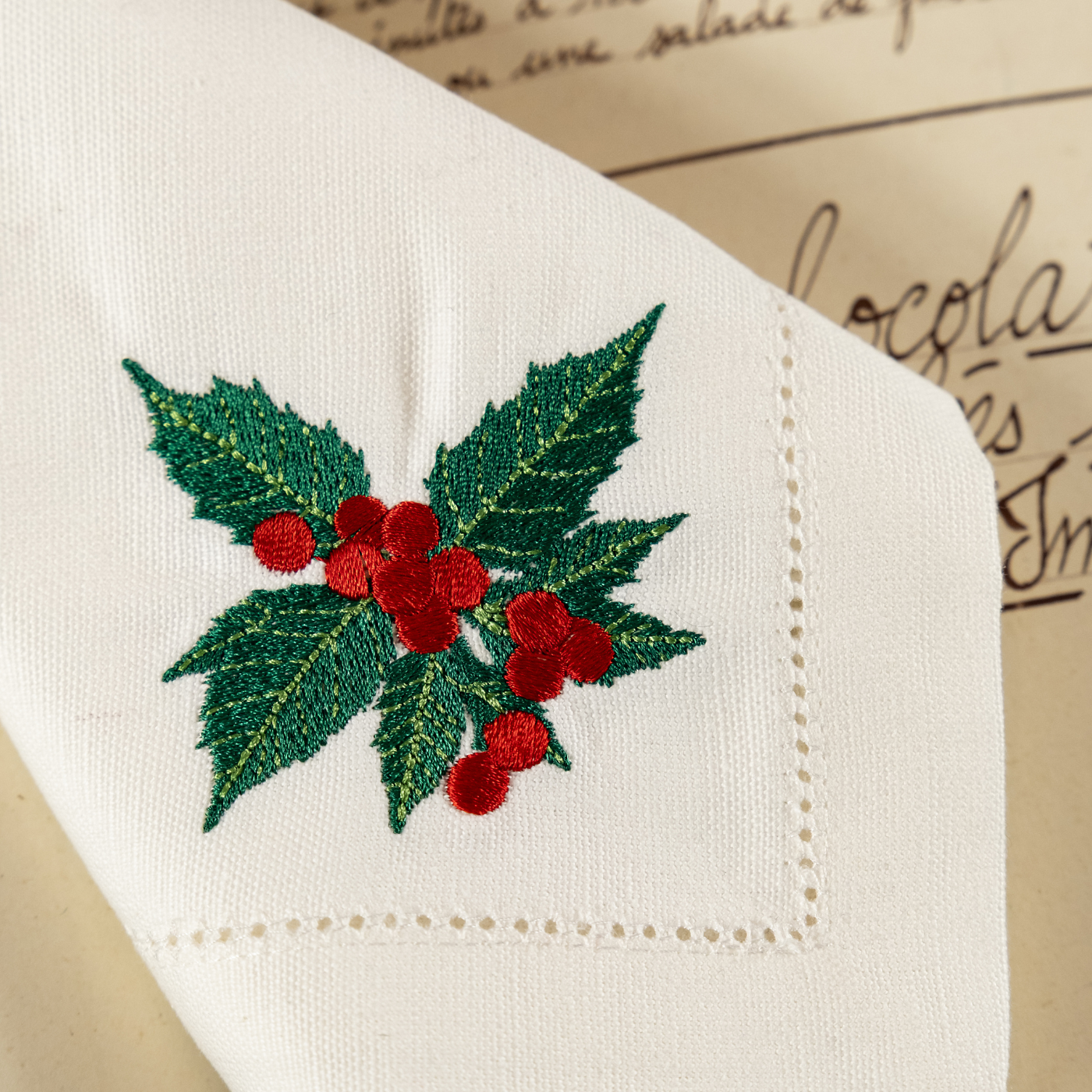
In 1816, Mary Chaboceau, then only ten years old, drew a sprig of holly to give to her grandfather, John Skegg, whose presence rooted the charm of the house. John Skegg received the gift with the sweetness of one who knows how to value a child’s affection. The drawing, wrapped with a green silk ribbon, became the focus of a collection that would come to be titled Holly Branches. Mary’s mother, delighted by the drawing, embroidered on the Christmas table napkins the very figure her daughter had drawn. Each napkin thus became a keepsake: the holly sprig embroidered with a dedication of love and gratitude, to adorn the table where the family gathered, year after year, to celebrate what mattered most: Unity.
Explore collection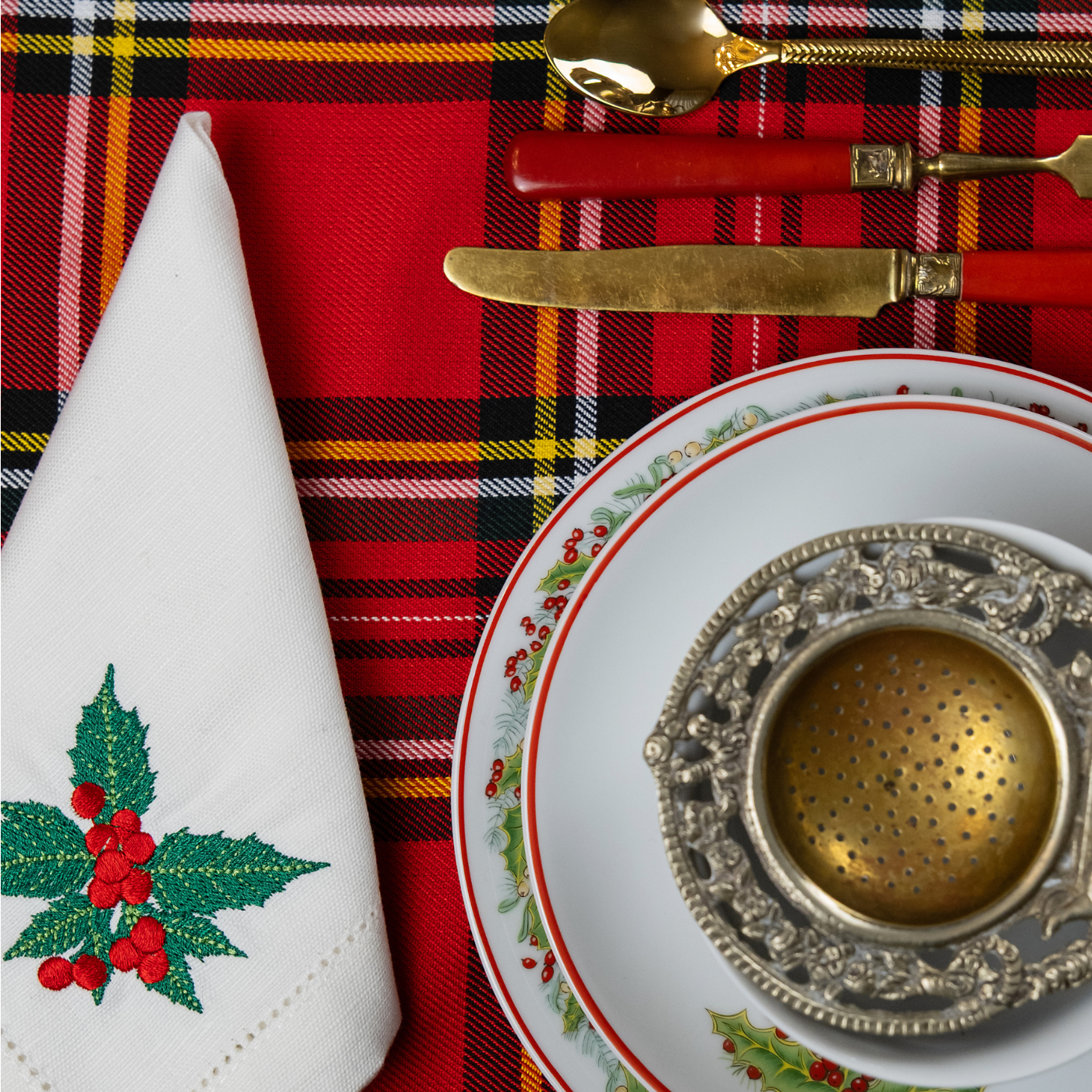
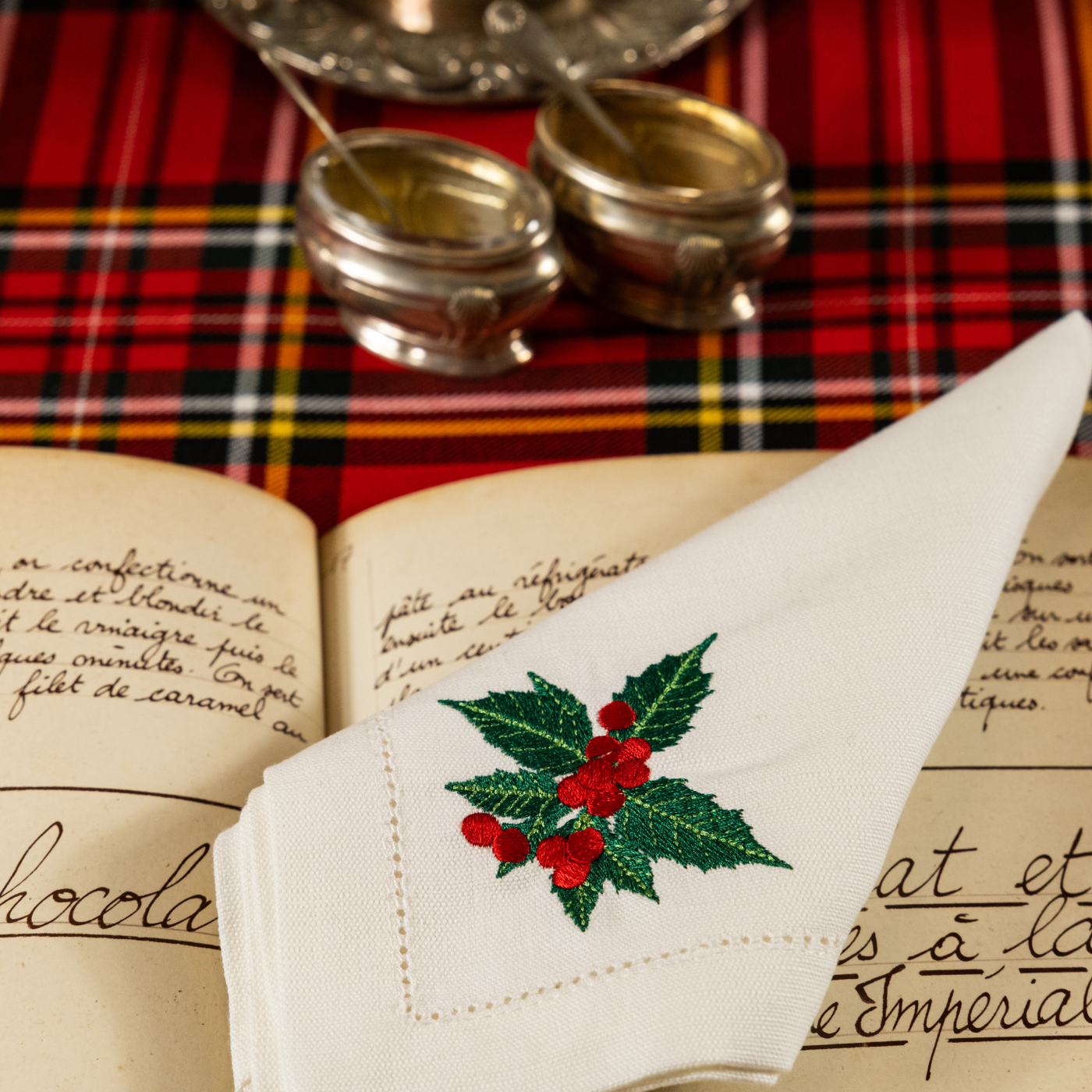
VICTORIAN CHRISTMAS collection
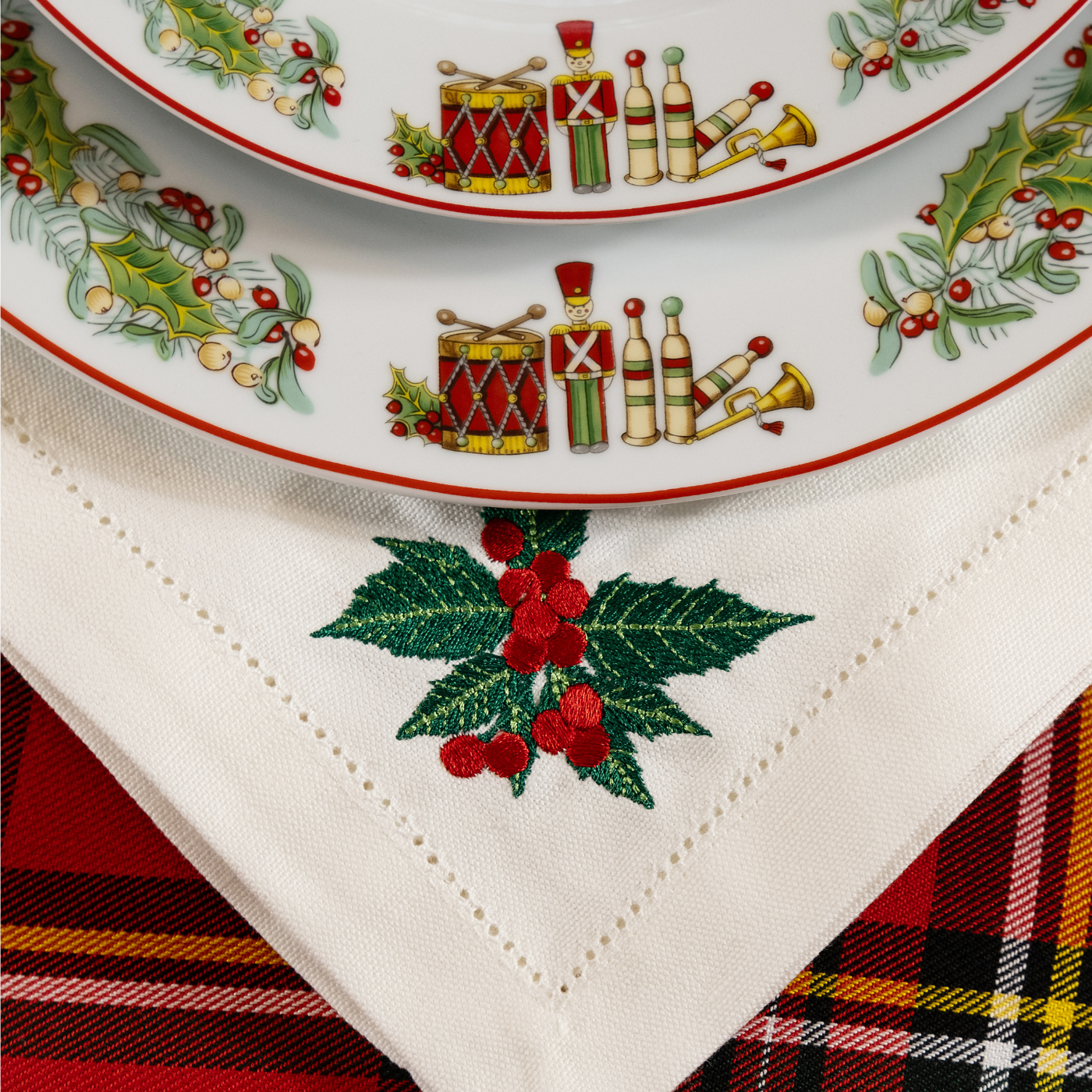
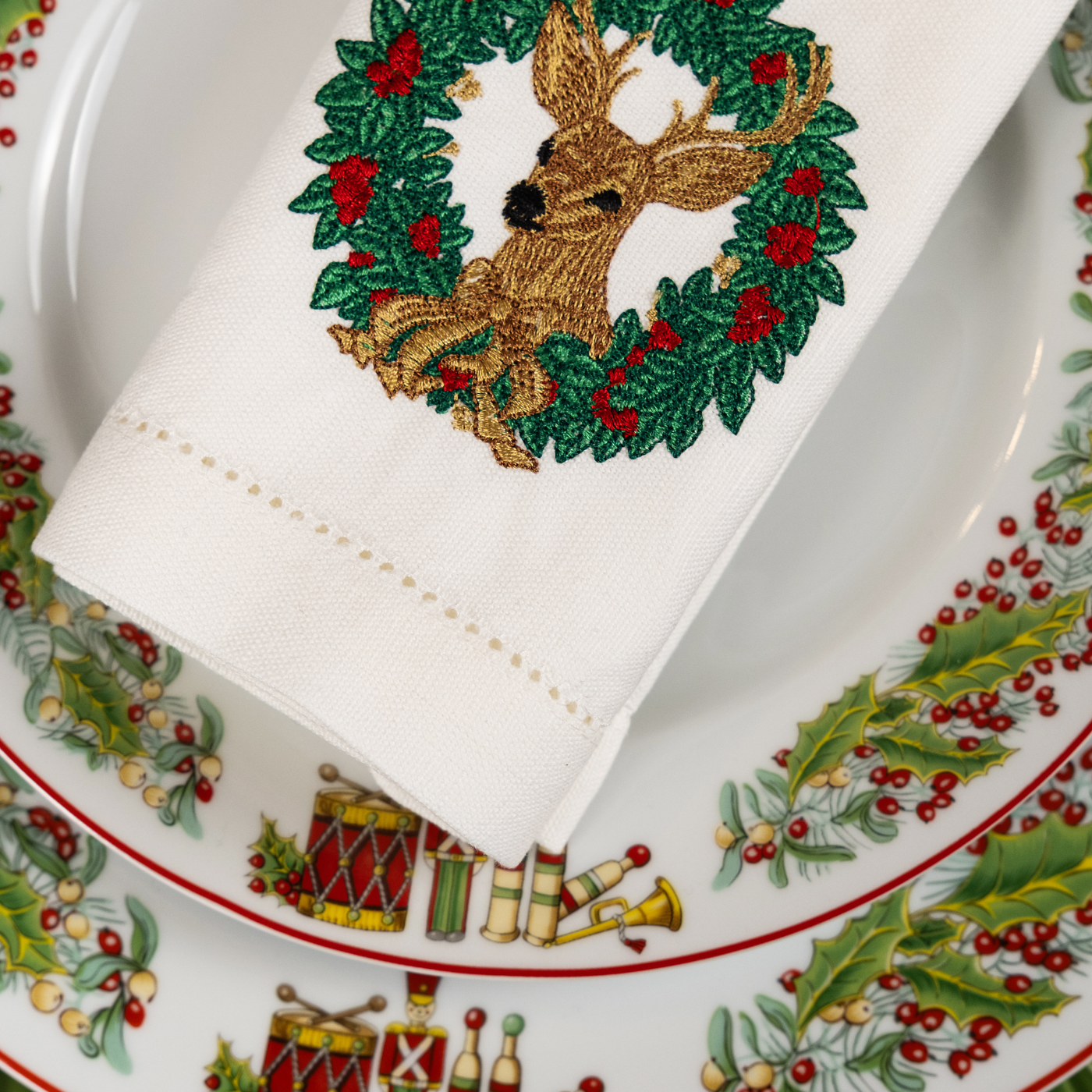
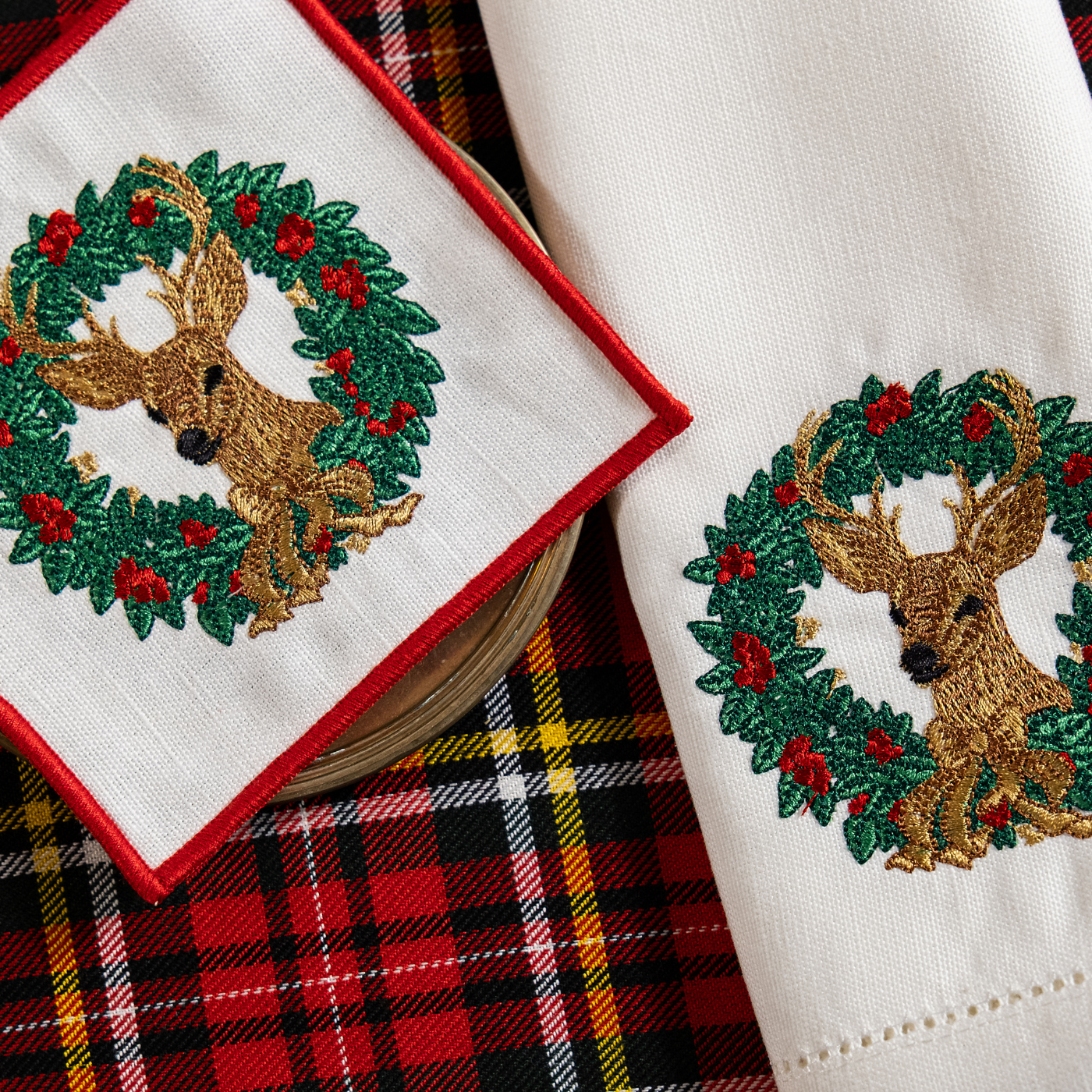
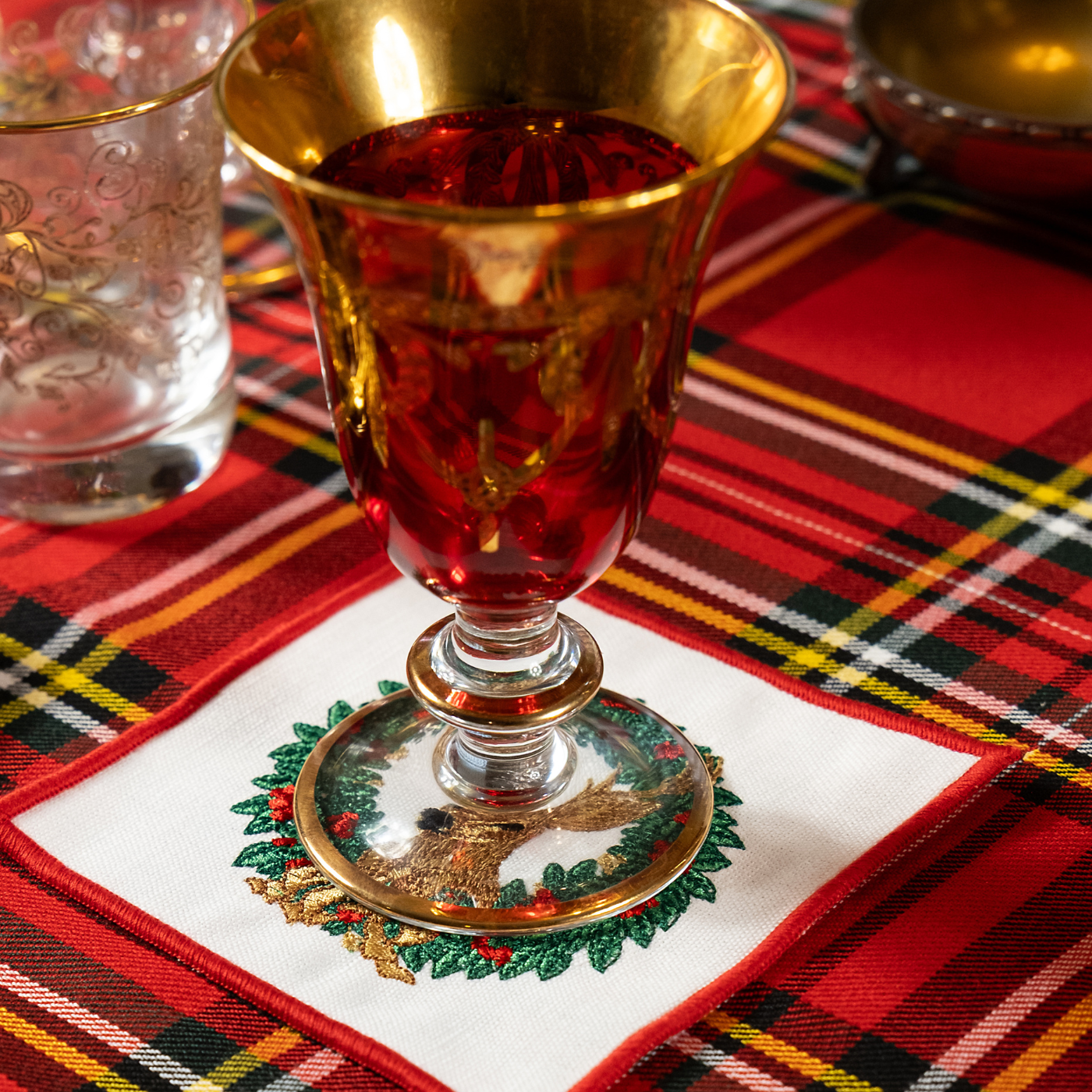
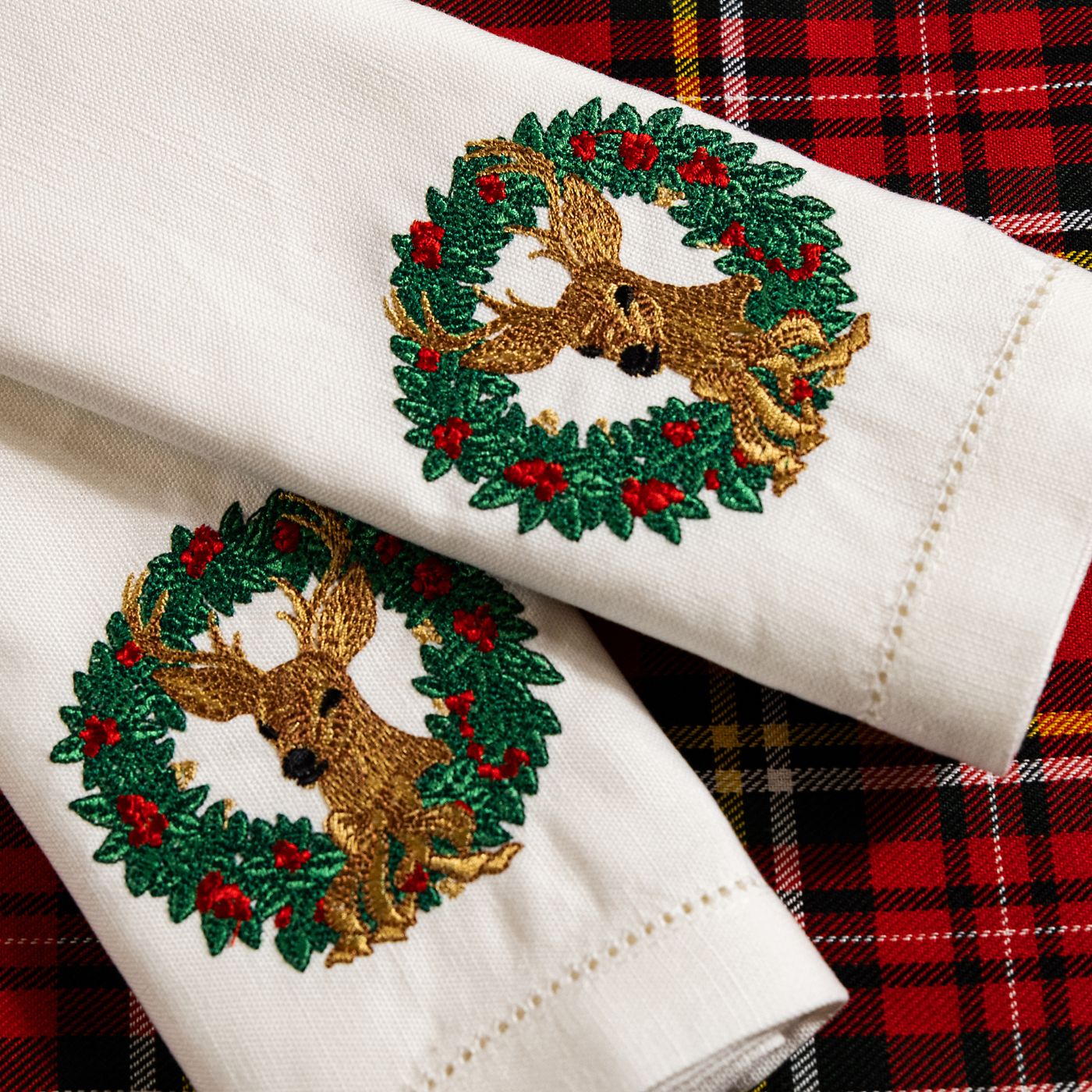
The collection "Victorian Christmas" takes us on a charming journey to a period of elegance and magic, evoking the festive spirit of the Victorian era. In those days, Christmas ceased to be merely a religious celebration and became an occasion for sociability, gift-giving, and moments of sharing with family and friends. It was in this era that decorations, postcards, sweets, and gifts began to stand out, giving rise to Christmas traditions that endure to this day with such enchantment. The "Victorian Christmas" collection captures that sweet nostalgia, with festive motifs and details that recall the sophistication of the nineteenth century. Each napkin is a piece that celebrates the charm of an era when Christmas was celebrated with greater glamour and enthusiasm, inviting us to relive the magic and sparkle of a tradition that has never lost its charm.
Explore collection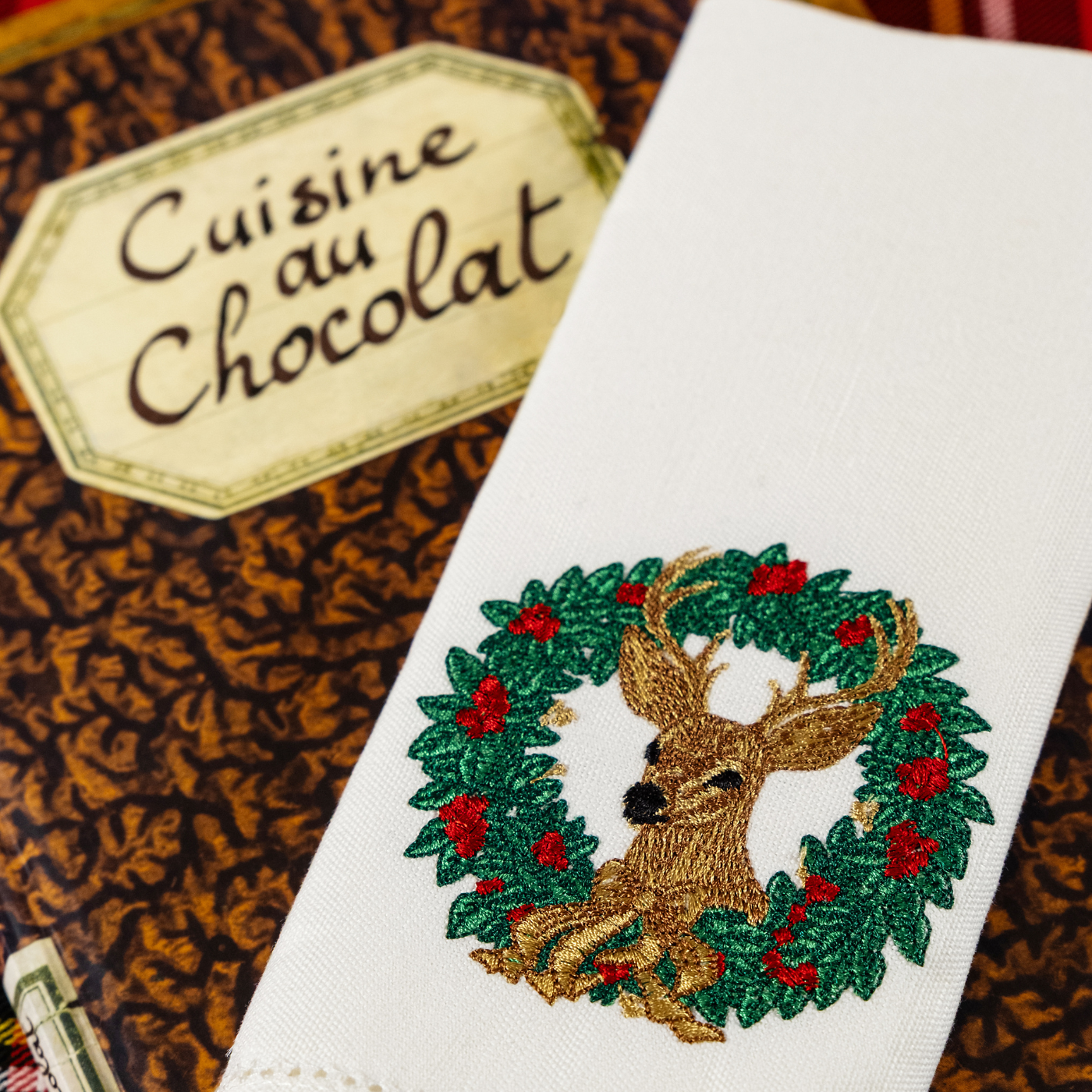
VICTORIAN CHRISTMAS collection
VICTORIAN CHRISTMAS collection
COVENTRY CAROL collection
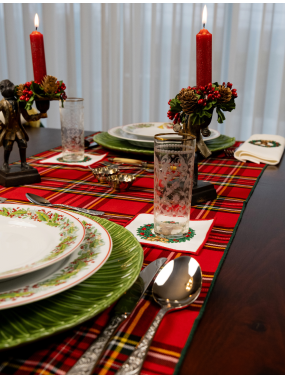
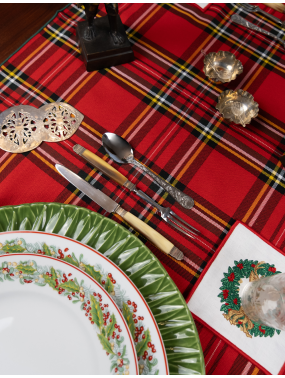
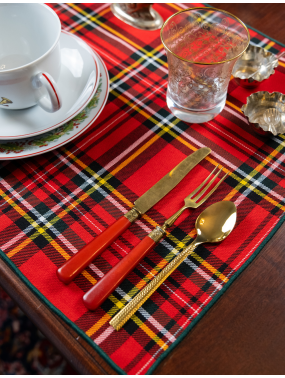
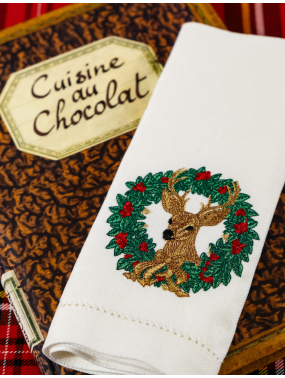
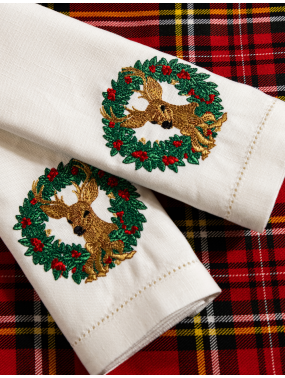
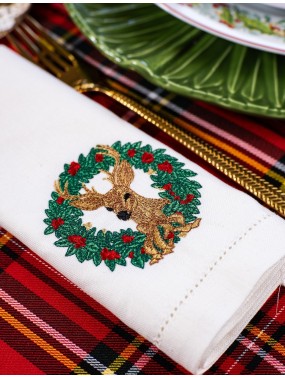
The COVENTRY CAROL collection invites us on an affecting journey through the memory of a time when music, mourning and resilience fused, where the natural elegance of the past intertwines with the serenity of the present. Originating in the sixteenth‑century Coventry Mystery Plays, The Coventry Carol tells the story of the Massacre of the Innocents, whose lullaby-like melody offers comfort to mothers who lose their children. Transformed by time, particularly in the ruins of Coventry Cathedral after the 1940 Blitz, it has become a symbol of peace and hope. In this collection, each piece functions as a small lyre of tranquillity: delicate lines, festive tones, and a touch of heritage that evoke the serenity of a narrative that spans centuries. It is an invitation to serene sharing and to the memory that, even in the face of pain, music can unite and illuminate. May each COVENTRY CAROL piece be a contemplative pause, a gesture of compassion that celebrates the strength of life and the beauty of reconciliation.
Explore collection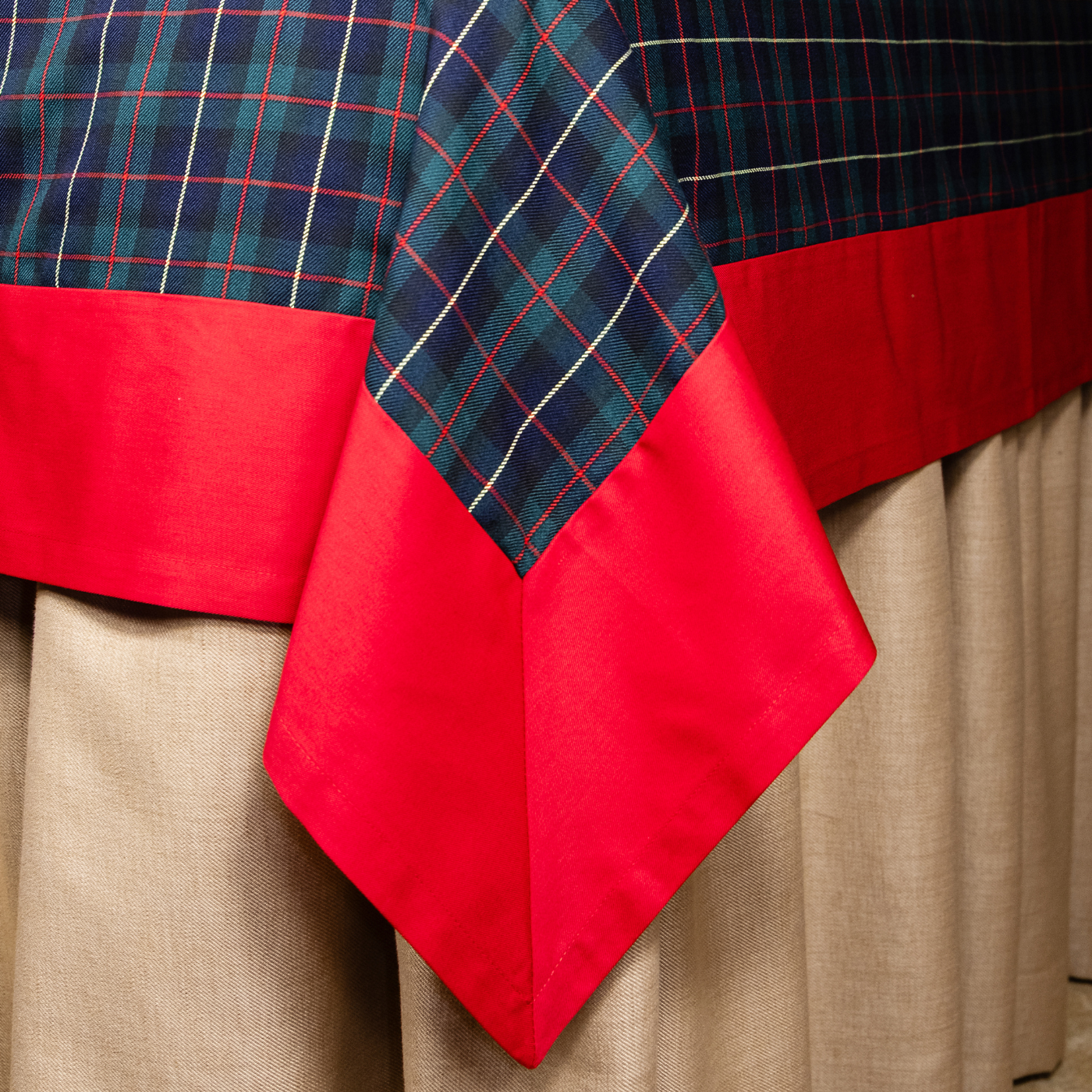
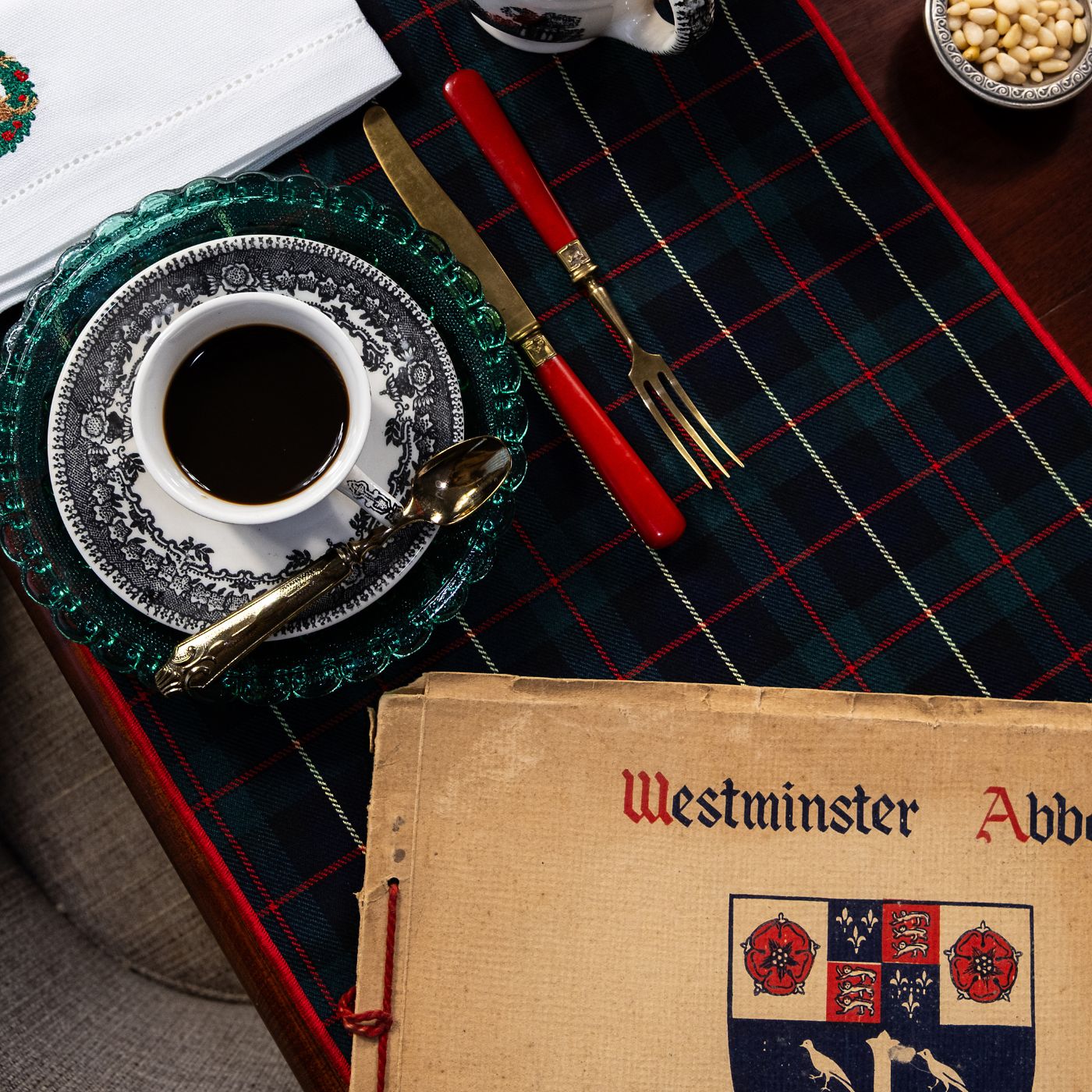
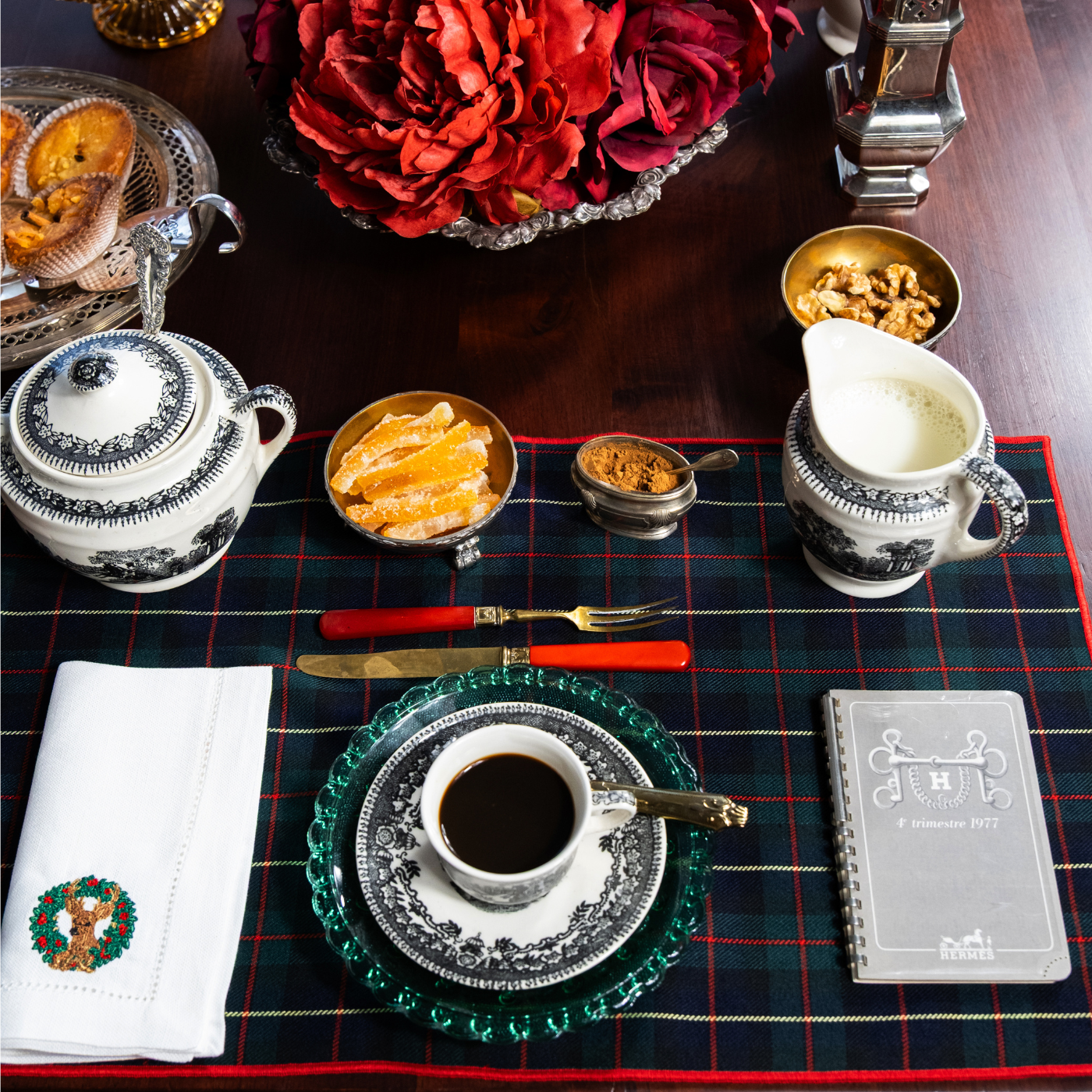
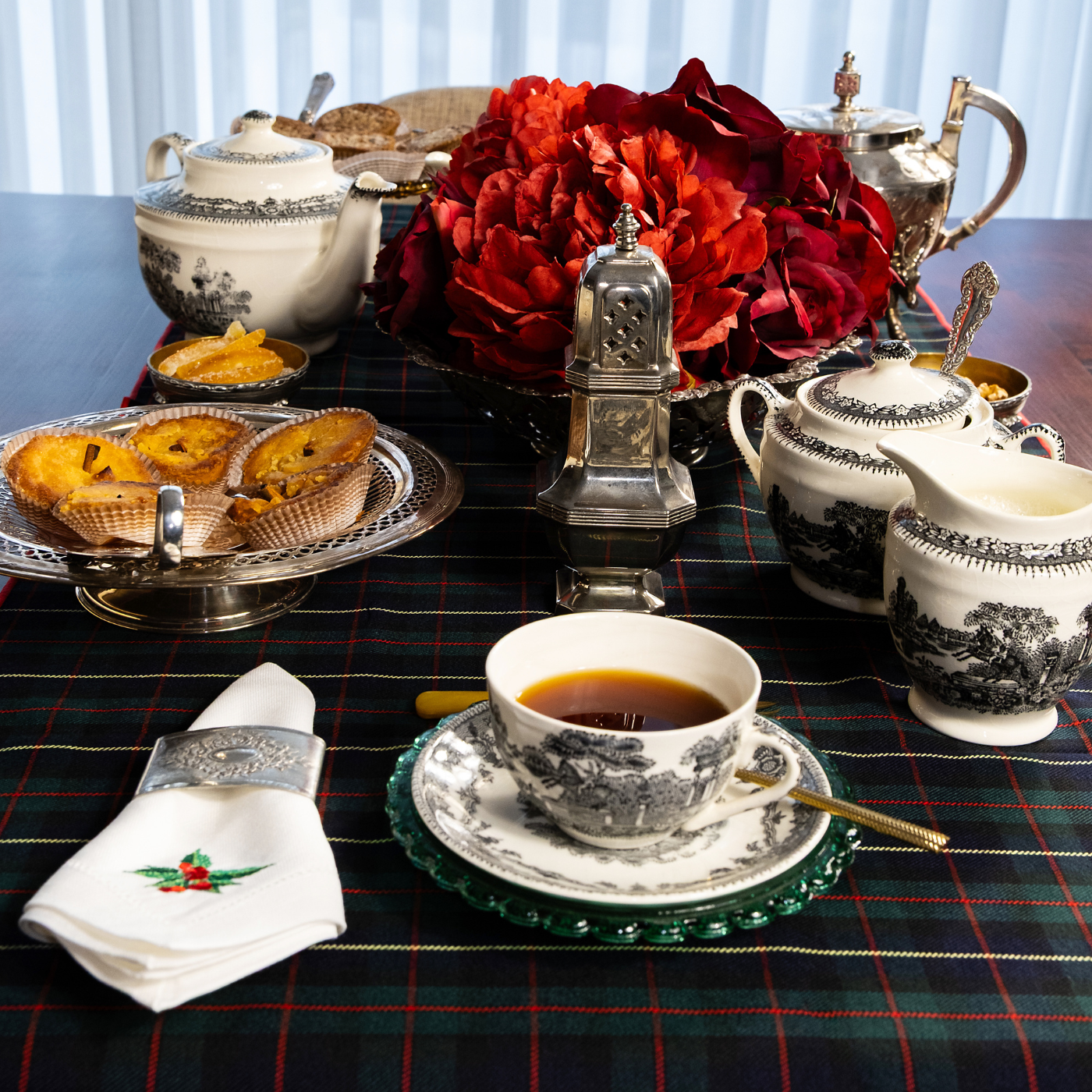
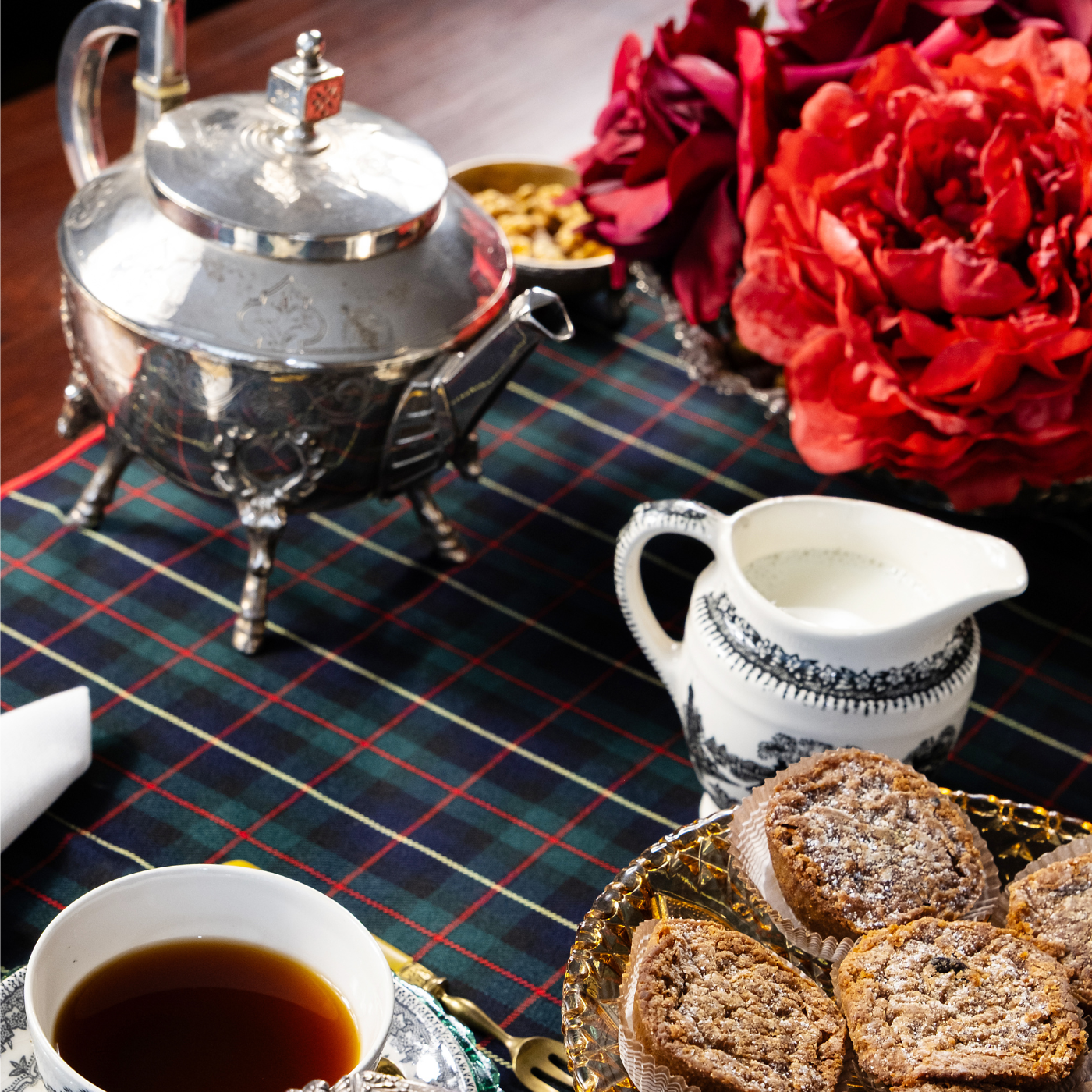
COVENTRY CAROL collection
MADRE AGUIAR Collection
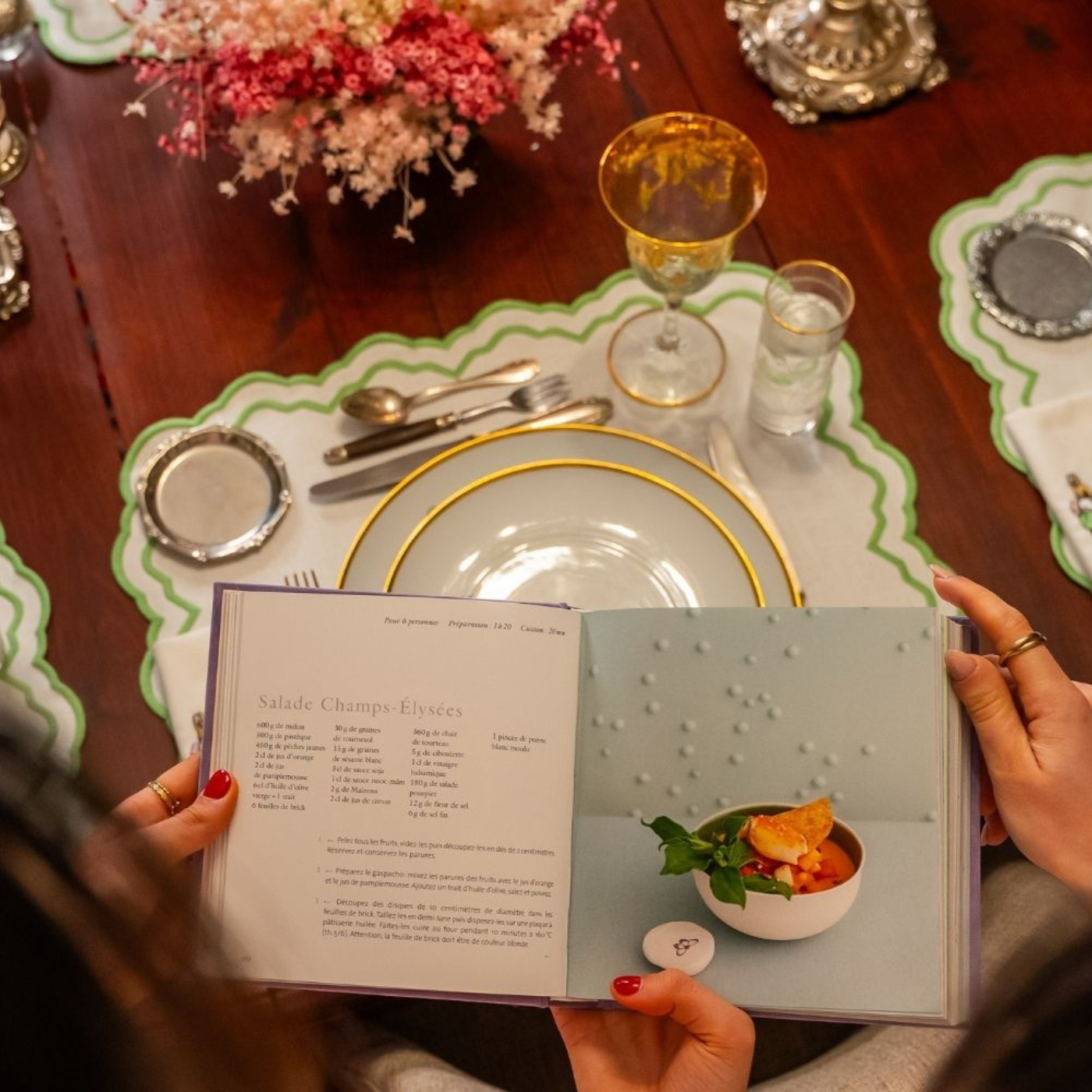
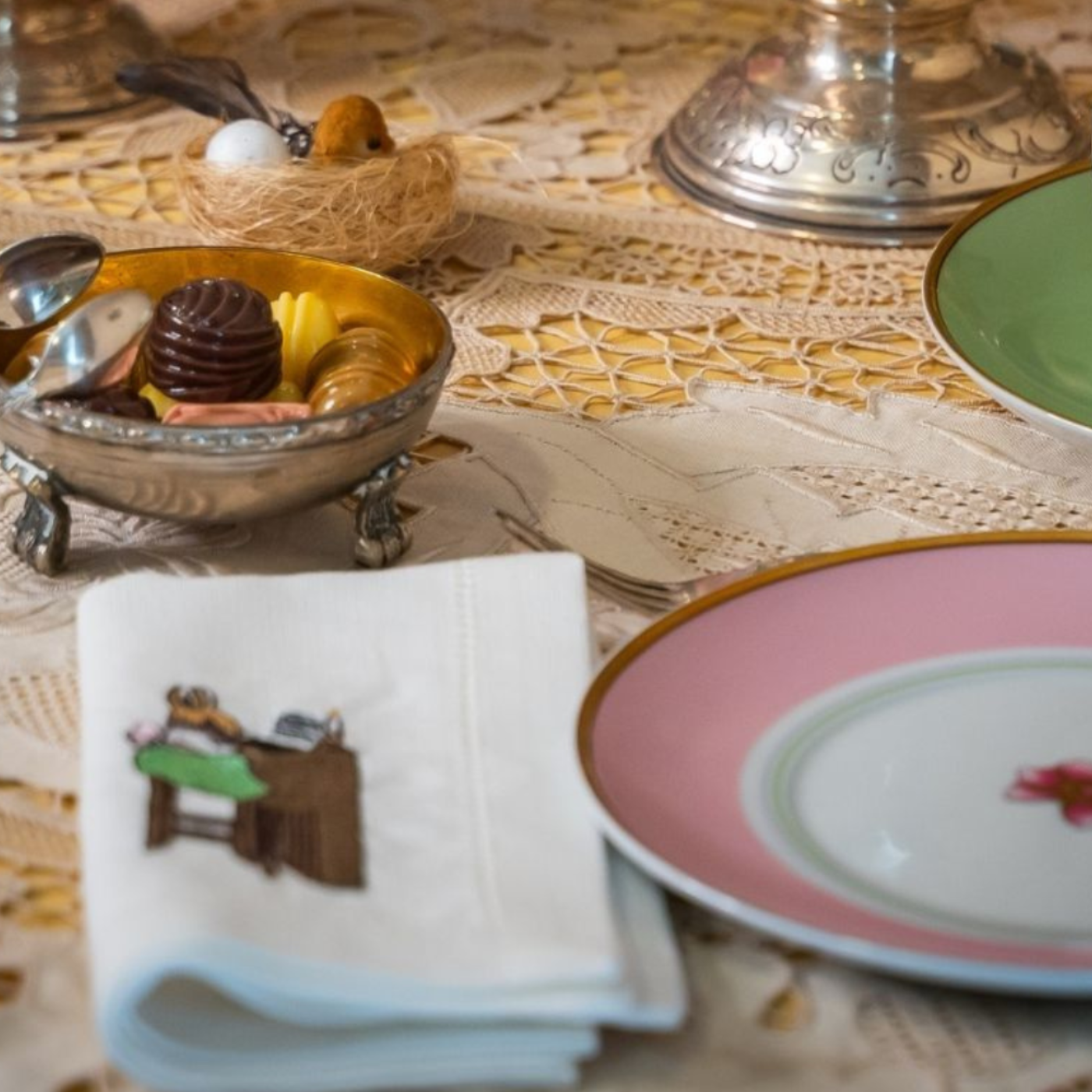
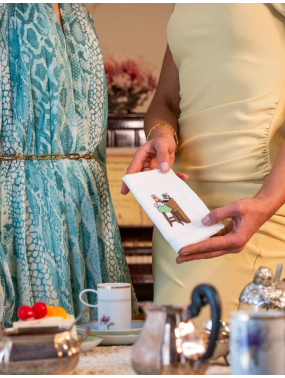
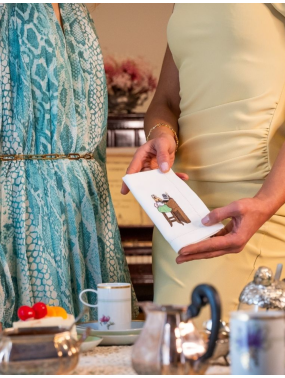
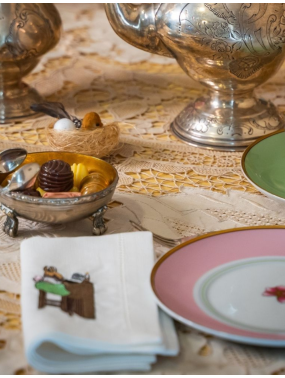
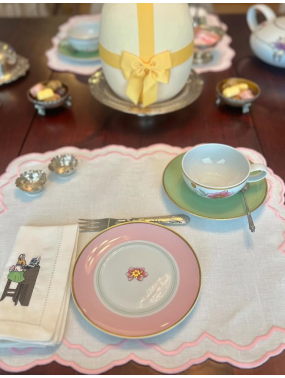
The first CHABOCEAU collection is a tribute to Madre Aguiar, daughter of Carlos Filipe Chaboceau de Aguiar and Guilhermina Sampaio, matriarch of the Chaboceau family, who is 111 years old. Her childhood was spent in Braga, where she lived with her paternal grandmother, Rosália, and her Aunt Perpétua, for whom she felt a deep affection. To this day she recalls the days spent with the “Doceiras”, family friends and founders of the emblematic Doçaria de São Vicente. At the age of five she moved to Lisbon, where she developed her academic and artistic education. At the Conservatory, she distinguished herself by completing the Higher Piano Course, with top marks of 20, when she was just seventeen. Ten years later she entered the Congregation of the Sisters of Saint Dorothea, dedicating herself to teaching the piano up to the age of 106. Generations of pupils from the Colégio Nossa Senhora da Paz in Porto passed through her hands. Madre Aguiar is the beating heart of every family gathering, where joy and sociability intertwine naturally. She is enchanted by the refinement of the tables, with the petits fours harmoniously arranged. Beyond the warmth of family life, she is notable for a lively social life, being a constant presence at concerts and receptions in the city of Porto. Thus, the first collection of the CHABOCEAU brand, which features a delicate napkin with an Easter bunny playing the piano, aims to celebrate the life and legacy of the extraordinary Madre Aguiar.
Explore collection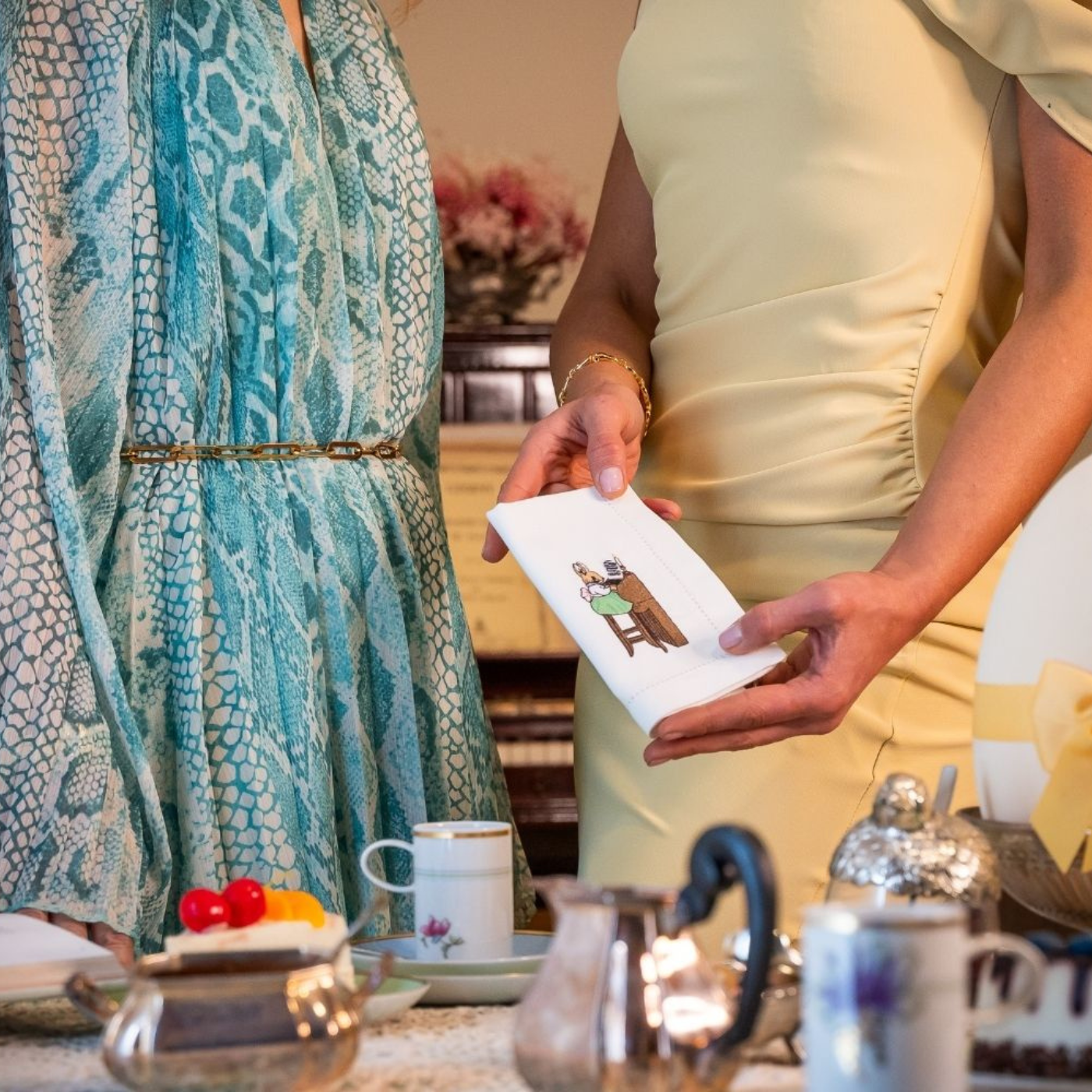
MADRE AGUIAR Collection
MADRE AGUIAR Collection
Magdalena di Luca Collection
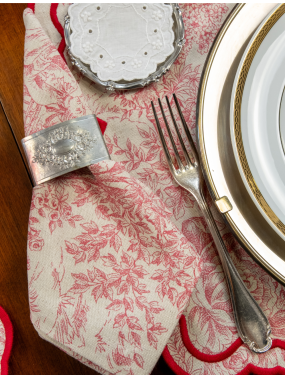
Magdalena di Luca, a Venetian, daughter of fabric merchants, grew up among rolls, hangers, and the whisper of Toile de Jouy that decorated her room. With a great deal of creativity, she saw patterns where others saw only motifs and transformed each fabric into a promise of the future. The shop breathed to the rhythm of her creations. Between blue and crimson on a white background, she imagined rooms, palaces, and gardens that sprang to life from a fold of fabric. Her sensibility drew people who sought more than thread and colour. Richard Chaboceau, the French Consul in Damascus, when leaning over the prints, became enraptured by Magdalena's delicacy and the way she wove destinies with fabric. Among the shelves and the glimmer of the prints, Richard found in her the essence of an art that turns the quotidian into memory. And thus Magdalena's creativity became the bridge between Venice and the world, sealing a love that was born where fabric meets history.